Belonging: You Are Safe
You have to have faith and trust in humanity.
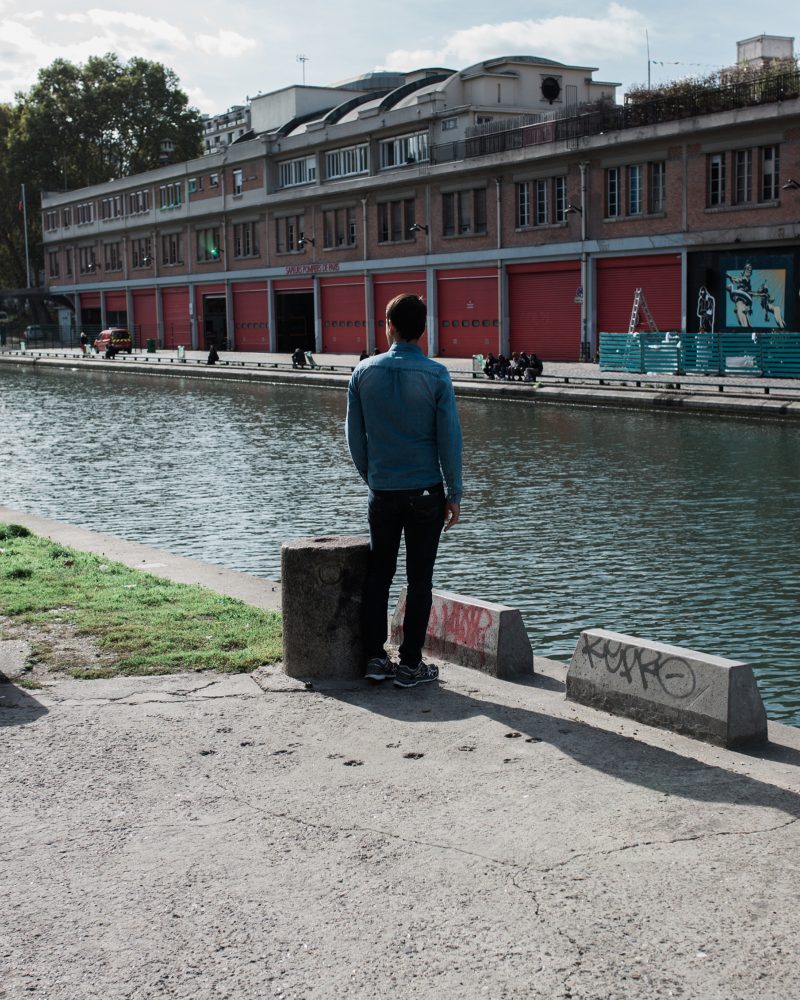
Asad and his older brother grew up in Afghanistan in a humble, uneducated family with no political connections. When the two hardworking brothers successfully launched a new business, extremists grew suspicious. They assumed the young men were colluding with Americans. Asad fled to France, and his brother went into hiding.
I found myself on the street, with nothing and nowhere to stay. It was September, when the weather was cold, rainy, and windy, and at first I didn’t have a tent or blanket. I wore the same black jeans for many days, and my feet were always wet. I was so confused. I wasn’t thinking clearly.
Asad was placed in three different locations. Each required difficult adjustments, but they also provided life lessons, for which he is grateful.
I learned this one thing: that we are just humans, and before everything else you have to have faith and trust in humanity.
I made many friends among volunteers and aid workers. Everyone was so good. If I had a school problem, or a health problem, or even a financial problem, they were always trying to solve it for me. I trusted in their love—how much they loved refugees—but it also hurt me. It wounded me to be in a position where I needed to take these things.
I questioned my dignity. I had hands, I had feet, but I couldn’t work legally until my asylum was granted. I was stuck like a fly in glue.
After living for a year in refugee camps, I finally got my asylum interview, and in two months and twenty-two days, I got my answer. When I went to the post office, I was scared. My ears were warm and my feet didn’t seem to work. What if the French government didn’t accept me as a refugee? Then what would I do? I said to myself, “Asad, what will be your answer to your wife and your mother, who are waiting? And how can you begin again in a different country and learn another new language?” There were a thousand questions in my mind.
I got the post and read it, but I didn’t understand it. I had Afghan friends with me, and they said, “Asad, you are safe. You are protected!” But I didn’t realize it was true until I took it to my social workers, and they read it and hugged me and said, “Congratulations, Asad. You made it!” Somehow it still seemed like I was dreaming. Even now, when I wake up in the morning, my first thoughts are anxious, but then I remember and tell myself, “No, there is the envelope with your papers. You are safe.”
During happy times and celebrations, my big brother comes directly into my mind. He couldn’t come to Europe; he’s still in hiding. And I think, “Are you happy too? Are you fine?” And I think of my wife and son—how I can get them to join me here. There is still much to worry about and work for.
Our team members obtain informed consent from each individual before an interview takes place. Individuals dictate where their stories may be shared and what personal information they wish to keep private. In situations where the individual is at risk and/or wishes to remain anonymous, alias names are used and other identifying information is removed from interviews immediately after they are received by TSOS. We have also committed not to use refugee images or stories for fundraising purposes without explicit permission. Our top priority is to protect and honor the wishes of our interview subjects.