Featured Issues

We feature specific crises that have led to forced displacement, as well as challenges faced by forcibly displaced persons, alongside first hand stories of those who are impacted, in an effort to provide those interested with additional education and context on these critical issues.

Afghanistan

This page is dedicated to all our Afghan friends who have made the treacherous journey to safety, to their families still at risk back home, and to everyone interested in learning more about the life before and the life now in Afghanistan.

US withdawal from Afghanistan

Venezuelans in Colombia

This page honors Colombians for their “most important humanitarian gesture in the region for decades,” while shedding light on the situation of Colombian internally displaced persons (IDPs) and the reasons behind the Venezuelan mass exodus to the country.
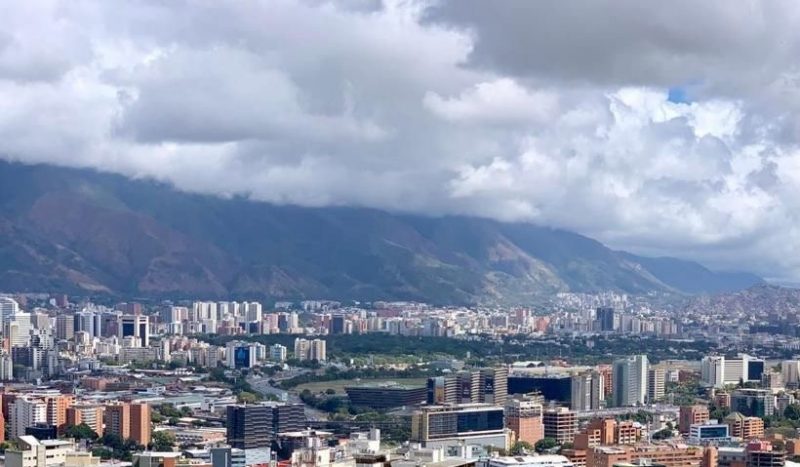
Venezuela Skyline

Mental Health

This page highlights how a refugee's journey negatively impacts their mental health and some programs and doctors who are working to combat this issue.
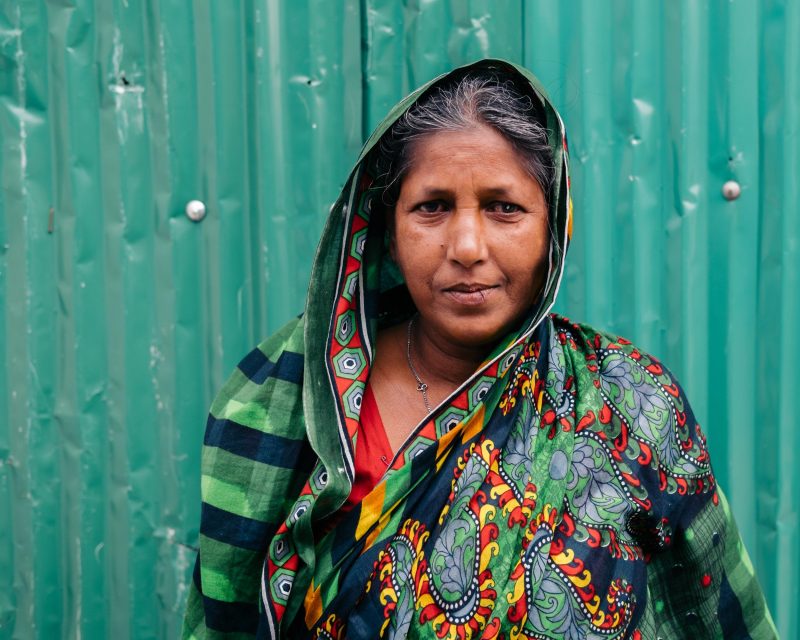
Mental Health Awareness

Asylum

This page highlights the immigration challenges for those pursuing asylum, a form of protection granted to people who have fled their home country due to a fear of persecution, in the United States.
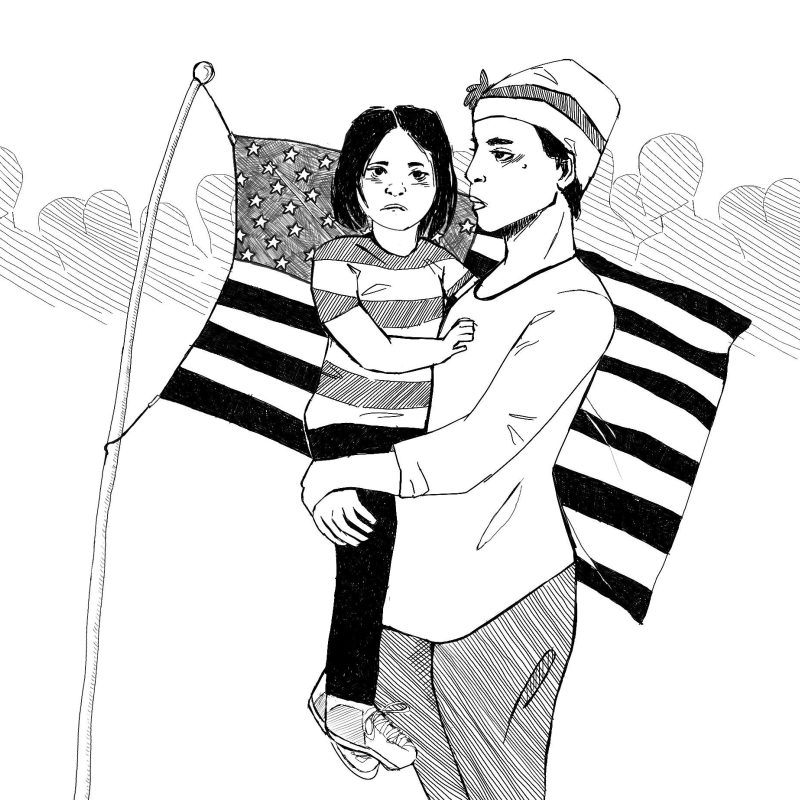
639753158 image1

Better with Refugees

Using the United States as our example, we make the economic and societal case as to why our countries are better with refugees, our communities are better with refugees, and our lives are better with refugees.
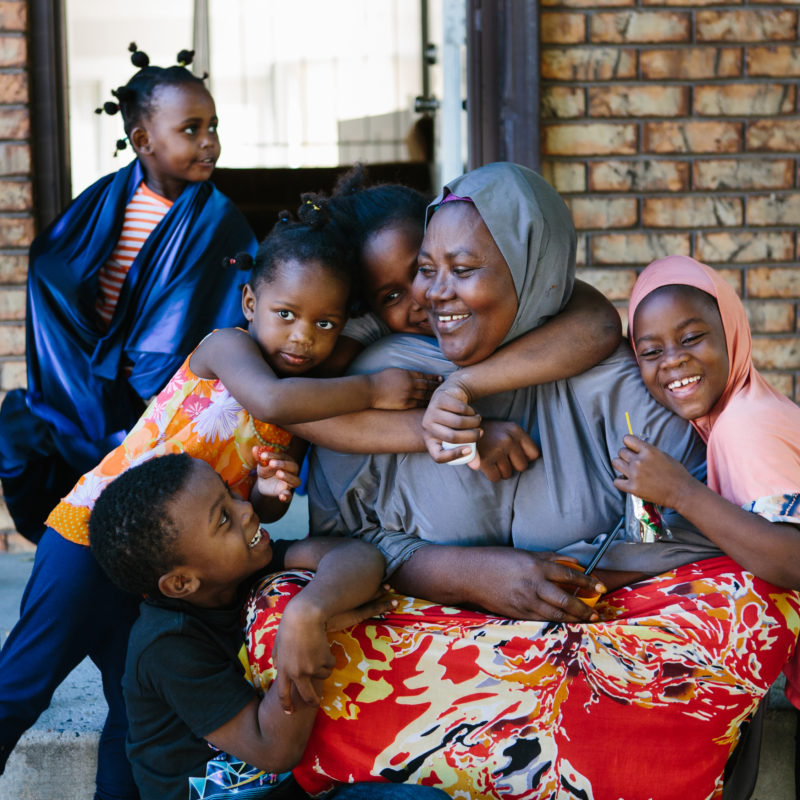
Kadija
What would you do if you had to leave everything behind?

By the end of 2025, more than 117.8 million people worldwide had been forcibly displaced by war, persecution, or human rights abuses — and 45 million of them are children.

They arrive in refugee camps and countries seeking safety and carrying little: legal papers, if they're lucky. A backpack. A child's hand in theirs.

What they carry that we can't see is heavier: fractured families, homes they'll never return to, professions they loved, friends and relatives they may never see again.

In a climate where immigrant stories are often ignored or twisted, we believe stories are a form of justice. When someone shares what they survived, they reclaim their voice. When we amplify it through film, photography, and advocacy, the world listens. Hearts soften. Policy begins to shift.

Because when a lawmaker sees a person instead of a statistic, and a neighbor understands instead of fears, rebuilding becomes possible.

Your support helps us share these stories where they matter most.

— Kristen Smith Dayley, Executive Director, Their Story is Our Story

Add Impact to Your Inbox
Sign up for our emails to get inspiring stories and updates delivered straight to you.
Subscribe
© 2026 Their Story is Our Story Privacy Policy
Their Story is Our Story is a 501(c)3 Non-Profit Organization under the United States Internal Revenue Code. All donations are tax-deductible. Our tax identification number is 812983626.