Bikes for Refugees
“We’re your friends, so let’s break down the walls”
Editing by Twila Bird
Photography by Christophe Mortier
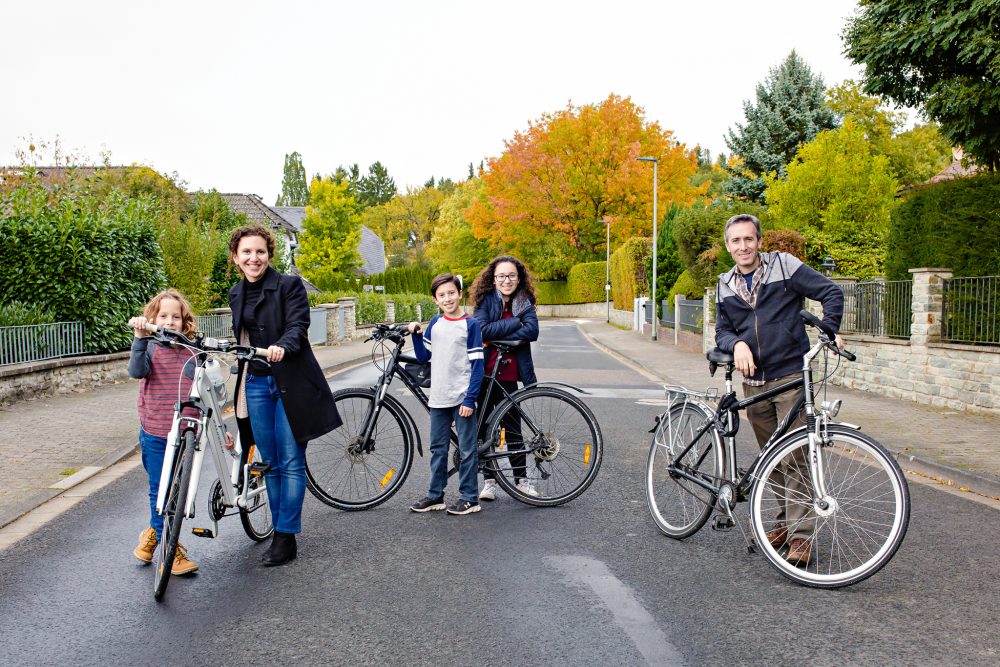
I’m Kimball Brown, from Idaho in the USA, and my wife, Valentina, is from Bulgaria. We live in Germany with our three children in an American military community. People here are always moving in and out, and sometimes they leave things behind, like bicycles. In 2016, Val read an article about people in refugee camps and the troubles they have with transportation. We thought, “We need to give these abandoned bikes to refugees.”
Once the word got out, people began donating more bikes. We bought some oil, and I put the kids to work fixing flat tires and cleaning rusty chains. When the bikes were done, I loaded them onto my car and delivered them to the camp in Rebstock. After a while, the camp even set up a bike repair shop. Refugees with mechanical skills work there. It fills a need to be able to do something meaningful.
A lot of the bikes we get are kids’ bikes. Probably the most touching experience I’ve had with this project was watching a dad teach his daughter how to ride a bike. I thought, “That’s what life is about. If we can give a parent an opportunity to have this bonding experience with their kid, then it was so worth it to us and such a blessing.”
When I look at the diversity I see in Germany now, I don’t think it’s something to be feared. We need to get away from the them and us mentality. Most refugees are people of goodwill, and that’s what we need. The world has enough problems naturally; we don’t need to waste time fighting.
The refugee crisis is a legitimate crisis, but it’s also an opportunity for us to say, “We’re your friends, so let’s break down the walls.” There are walls everywhere that need to be broken down.
Our team members obtain informed consent from each individual before an interview takes place. Individuals dictate where their stories may be shared and what personal information they wish to keep private. In situations where the individual is at risk and/or wishes to remain anonymous, alias names are used and other identifying information is removed from interviews immediately after they are received by TSOS. We have also committed not to use refugee images or stories for fundraising purposes without explicit permission. Our top priority is to protect and honor the wishes of our interview subjects.