Resilient Refugee Navigators
Western Kentucky University is welcoming refugee students
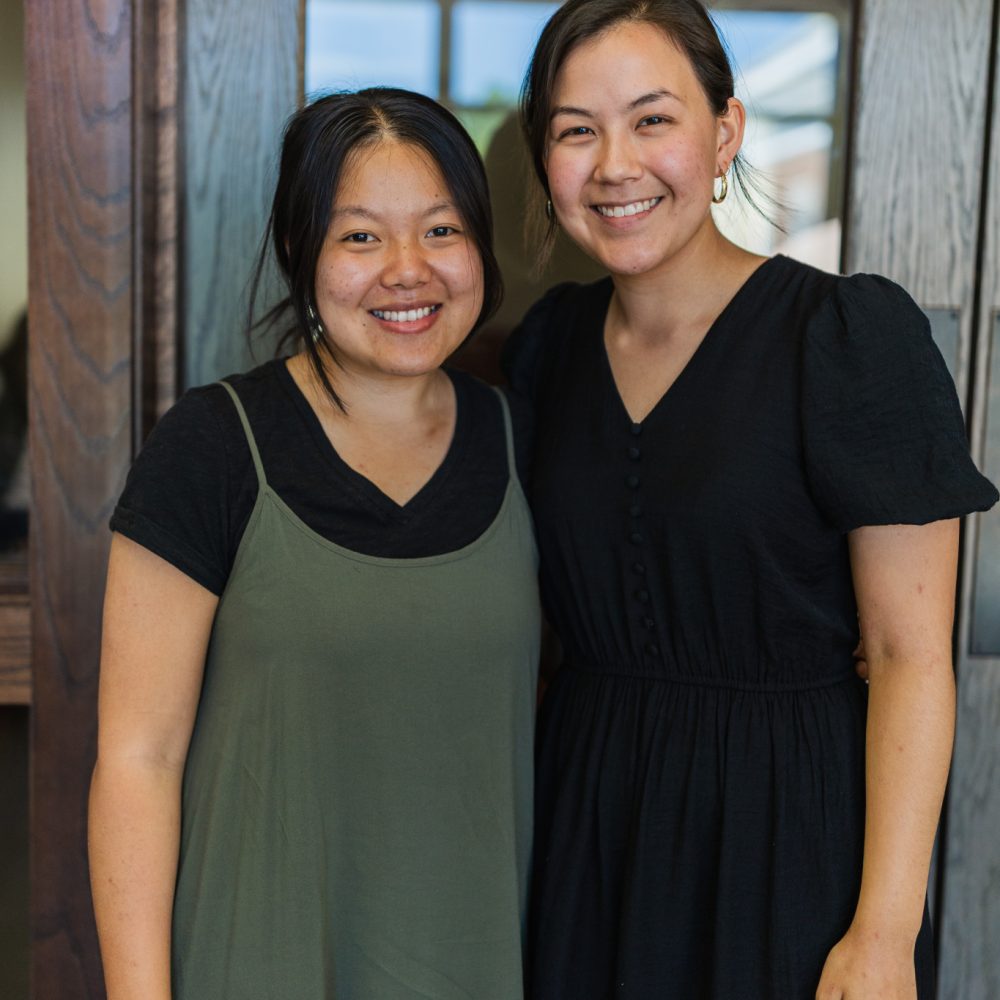
Sydney Ladd
We met in our geometry class freshman year of high school in Owensboro, Kentucky. We decided to come to college together and have been roommates for four years now (at Western Kentucky University).
We got involved through a friend from Uzbekistan who was very instrumental on campus and also at Refuge (Refuge Bowling Green). We wanted to serve at Refuge but weren’t sure how. There was a teaching opening for advanced English classes. So we taught that together. Then we met Maggie who was helping get Navigators started [Resilient Refugee Navigators program]. We started serving as Navigators and then Ja Seng started teaching driving through Refuge. And we tag-teamed and started the music program at Refuge.
Ja Seng
We were taking pedagogy classes as music majors. And we saw a need in the refugee community. At Refuge, the kids have recreation time while their parents are learning English.
Sydney Ladd
Ja Seng was a refugee from Burma and choir played a large part in her language acquisition and diction. So we knew, if we can incorporate that early on in their lives, it has so many benefits later on. I went to my pedagogy professor and told her I wanted to start this. We applied for grants through Western and we ended up getting $7,000 to buy instruments and teaching tools. We still have some of the grant money that is allocated for them to get scholarships to take classes and lessons here once they progress through our system.
Ja Seng
We narrowed it down to ages five to 10 roughly, and just general music, like counting rhythms and body percussion and teaching them how to sing.
Sydney Ladd
We also have a lot of different nationalities there. We’ve had kids from Mexico, Burma, Afghanistan, Turkey. We had a few kids from Africa come in sporadically. We’ve exposed them to different instruments that they don’t have in their countries. Last week, we did a cello performance and taught them about that. Ja Seng is in the orchestra here.
There was a very large learning curve in respecting them and what their families wanted them to learn, while still continuing the learning process. Recently, we’ve changed to more singing because dancing with male and female wasn’t the smoothest class activity. One of the girls was really upset because her friends had told her that she had done something that wasn’t appropriate. We had done a body rhythm activity.
We asked the kids to talk to us about what had happened and why they were upset, and we began to realize that we were pushing their cultural allowances with some of the activities.
We dance a lot with their families, but it’s always segregated. We just didn’t know.
But also, that night we talked to the girls about forgiveness, and not talking about each other, and having to apologize. We knew this class was more than music. It’s about teaching them what to value and how to work with one another and how to build relationships. So music is important, but the life skills that can happen in a classroom, we were also really wanting to push the kids in that direction.
Ja Seng
The navigator program came at the crux of our involvement. They were just starting to host girls in our department, but that was the big wave of getting to know them on a deeper level. We went through the application process and got our first mentees. At first, we were just trying to navigate how to help them, what help they even need or want from us. We started to realize that they just need a friend and a listener, just someone to be there for them as they themselves are trying to figure out everything in life in the US.
Sydney Ladd
A lot of them were students in Iraq and in Afghanistan. I’ve only had mentees from Afghanistan. It wasn’t that they couldn’t do the academics. It was more that they were so different than the culture they had stepped into. So our goal was to learn from them as well. We’ve done a lot of dancing lessons. We’ve taken a lot of language lessons over chai with them. We’ve spent a lot of nights cooking.
A lot of what the Navigator program did was allow them to have an immediate friend, and let them know that we desired to know about them too. It's not just a one-sided relationship.
Ja Seng
Listen first, that’s what our first meetings with them were like. Just listening to their stories of home and the obstacles they’ve taken to get here, as well as their goals and aspirations. If you can help them with their immediate needs, then that’s great. But also pointing them to other sources and help that they might need.
Sydney Ladd
An important part too is that you can’t just expect them to come to you. Ja Seng and I did a lot of reaching out, we still do. For a while this semester, we would have a potluck or we would choose a country for the night and have the girls come over and cook with us. So we were all learning how to cook each other’s food. We had Sri Lanka and Thailand and Afghanistan and Burma.
At the beginning, it looks like reaching out a lot for the immediate needs. “Sure, I’ll drive you to the store.” Small things so that we could build those relationships and then earn the right to more work. It was not a quick, “Here’s my life story.” They don’t really do that. And also, they’re such an intimate culture (Afghans). They all rely on each other so much. Once word spread that Ja Seng and I could be trusted, it got easier and easier as we met more of them. But the initial few - it was a good year before we really knew each other.
Ja Seng
That’s true.There was an initial stage of: are we to be trusted or worthy of their relationship? And it’s not their fault. It’s just part of how they’ve been brought up in their culture, but also the things that they’ve lived through.
Sydney Ladd
And everything’s new here.
We counted last week, how many people we’ve met, over 43 countries now. There’s also guys working with the men, and we meet the women and go from there.
Ja Seng
Most of my mentees are pretty good in their English and they know their way around their academic pursuits. So, for most of my mentees, I’ve just been there to talk and be a friend. But I’ve really enjoyed those relationships.
Sydney Ladd
My mentees have needed more life establishment getting here. A few of them we met the night they arrived in the US. Every Friday we took the girls to the store. And Ja Seng has a long list of people that want to learn to drive. But the girls haven’t really needed us as much. The African girls are doing really well. So a lot of it is more, “How are you doing emotionally?”, or, “How can I encourage you today?” It’s been a year and a half since our first mentees. They just hosted us for the first time last month and they made a feast. And the more international students that meet them - they have a thriving community now.
We saw a need and we also just love learning from them, that was a really exciting part. I think the biggest reason is that we're both Christians, and we love the Lord and he calls us to love others.
Ja Seng
We’re one in Christ and so you just break a lot of these barriers - language, culture. We’ve experienced that firsthand with these girls. They’ve loved us as one of their sisters. That’s been the highest compliment.
Sydney Ladd
Love as you’ve been loved. When the girls thank us, we tell them: We’ve been given much so we can give much. And that’s truly how we feel with them. It’s been a very balanced relationship because they’ve changed our lives forever. And the way we see people in the world.
Ja Seng
It’s grown my compassion for others. From being very self-minded to looking outside of yourself. How does it look, practically, to put others’ needs above yourself?
Sydney Ladd
Philippians II [a Bible verse] calls us to consider others more important than ourselves. And that’s a really easy thing to say, but it’s a lot harder to put into practice when it’s not convenient for you. I think college is a time when a lot of people are trying to make you the best you can be. But that can make us very self-reliant and prideful. It’s really changed us, in learning to look out. But also it’s changed how I read my Bible, and the cultural influences that are very different from the West. Jesus walked during those times, not in what I know. So that’s changed in my spiritual life.
Also, learning to host. We learned from them because their hospitality is phenomenal, light years above ours. We were invited to an Afghan family’s house that we didn’t really know. They had two young kids. When we showed up, they cooked us a huge feast with appetizers, entrees, desserts. The fact that they had no clue who we were and were so willing to accept us into their home, to sit on their couches and play with their kids, and they couldn’t really communicate in English.
Their generosity. Learning how to give selflessly, a lot of it has been their example.
Learning that God’s blessed us and we’ve lived very blessed lives. To hear their stories and what they’ve lived through, and they continue to be hopeful. They are resilient. And how they’ve continued to work hard, to respect and honor their parents. How they’ve fought through the barriers that they’ve had in coming here, or that they faced at home. That’s changed us quite a bit.
Ja Seng
After graduation, I’m definitely still planning on continuing the music class. We’re hoping to recruit another teacher alongside me and I plan to start my own studio teaching violin.
Sydney Ladd
I started physical therapy school in June. And one way they’ve changed my life is I always thought I wanted an outpatient setting, but over my internships I’ve gotten to help treat international patients. So that is a dream. I would love to reach that community specifically, even if that looks like home health. Because, as we’ve learned about these differences in culture, trying to meet those medical needs is harder in a Western setting.
I think our community is better because of immigrants. Their work ethic. These students are some of our best. They have big goals and I’ve watched them put the effort in to get there. I don’t think that’s going to stop once they get the degree. A lot of them work jobs as well as being students. So it’s not like they isolate themselves. They’re in our community already. Really working and trying to meet needs.
Our team members obtain informed consent from each individual before an interview takes place. Individuals dictate where their stories may be shared and what personal information they wish to keep private. In situations where the individual is at risk and/or wishes to remain anonymous, alias names are used and other identifying information is removed from interviews immediately after they are received by TSOS. We have also committed not to use refugee images or stories for fundraising purposes without explicit permission. Our top priority is to protect and honor the wishes of our interview subjects.
