My Father Was a Society Man
I told him I was a Christian, that I could not follow him into secret society.
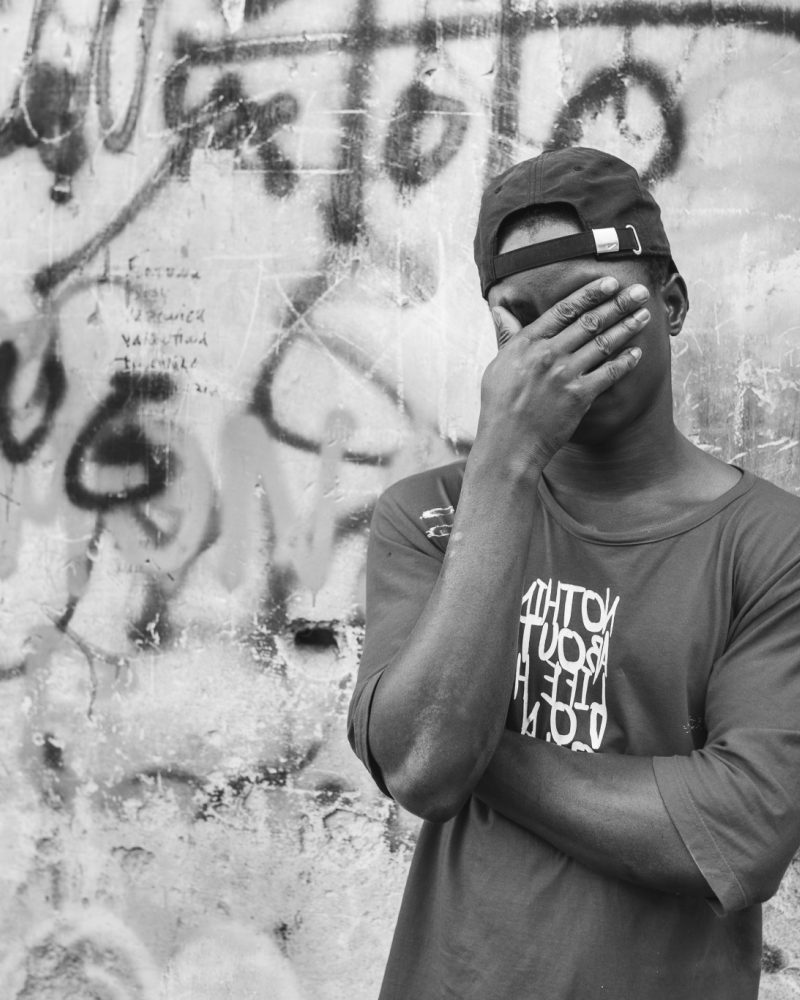
My home was in West Africa. I left because I had a problem. My father is a society man*. It was my mother who told me my father was a society man, but I didn’t believe her. I was close to my mother. She was a Christian and always took me to church.
My father didn’t allow me to enter his room, but he would give my mother a key to the room so she could go in and clean. One day when she was sweeping, she saw documents from the society. She told me about them, and then I believed her.
When I was eighteen years-old, my father began telling me I must join this society. But I told him I was a Christian, that I could not follow him. He threatened me and used many persuasive words. But I did not want to join the society. My father became angry and began beating me until I was bloody.
When my mother saw that my father wanted to kill me, she took me out of the house to a nurse and left me there. When she returned home, my father asked her where I was. Then my mother left my father and didn’t return because she didn’t want me to die.
When I could walk again, I left my country to save my life. I will never go back. Now I am here in Italy. My hope is to find welding work. I want to begin a good life here.
*“Secret societies or cults exist in West African countries, but, by their nature, very little is known about them. The most widely reported and studied is the Ogboni Society, which is strongly associated with those with money and power. Members use their influence to ensure affairs in government and society are favorable to their desires. An individual whose father is a member of this society would be expected to join and sometimes pressure to do so has been considered life threatening.” --Refugee Documentation Centre of Ireland, June 2010.
Our team members obtain informed consent from each individual before an interview takes place. Individuals dictate where their stories may be shared and what personal information they wish to keep private. In situations where the individual is at risk and/or wishes to remain anonymous, alias names are used and other identifying information is removed from interviews immediately after they are received by TSOS. We have also committed not to use refugee images or stories for fundraising purposes without explicit permission. Our top priority is to protect and honor the wishes of our interview subjects.