From Refugee to Advocate for Children
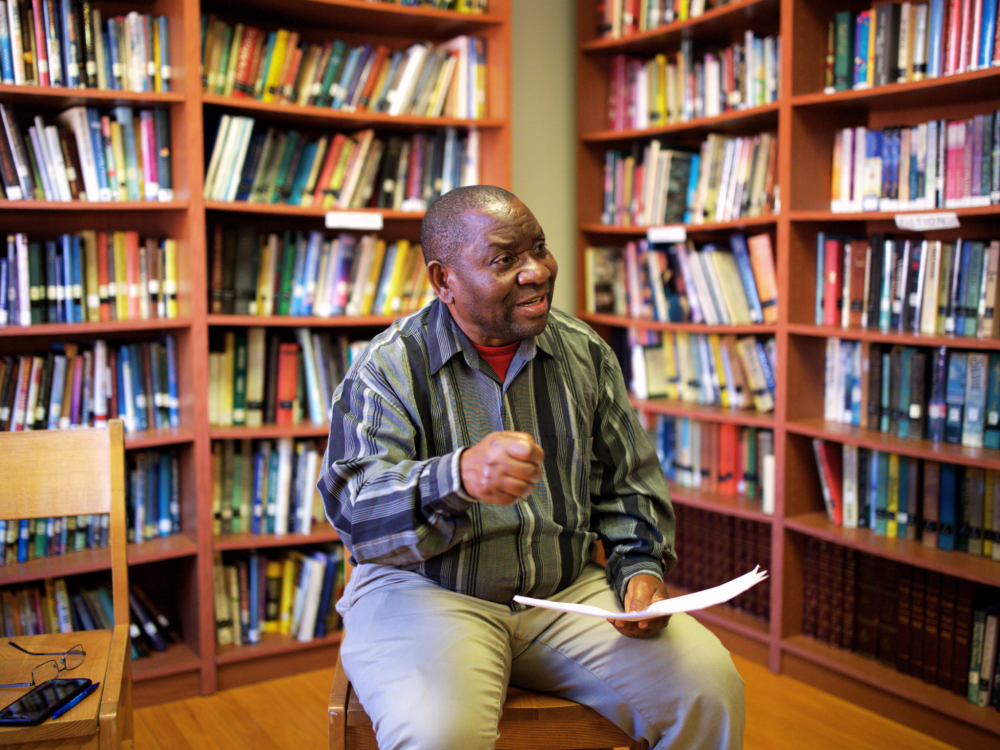
My name is Kapungu Ruhereshwa. I was born in the Democratic Republic of Congo in 1965. I’m married and have four kids–one son and three daughters.
I finished college in 1987 in my country, and I was a high school teacher for 15 years. After some incidents in my country, I opened an organization called OPR: Organization, Peace, and Reconciliation, for the cause of bringing people together. When war started, I had to leave my country and become a refugee in Tanzania.
I continued with my OPR organization again there. In the refugee camp I joined a group that was teaching how to communicate with people who cannot talk and hear. This was a good opportunity for me. I spent 19 years in this refugee camp, using sign language to communicate with those people who couldn’t talk or hear.
In 2015, after 19 years in the refugee camp, the Tanzania government said it was not safe to go back to my country, and told me I was accepted to go live in the United States with my family. My family and I were very happy about this.
When I got to America, I kept thinking about the kids in the refugee camp who were suffering–no clothes, no shoes, no school supplies. So I opened an organization here in the United States called ADEVS, to provide aid to vulnerable school children.
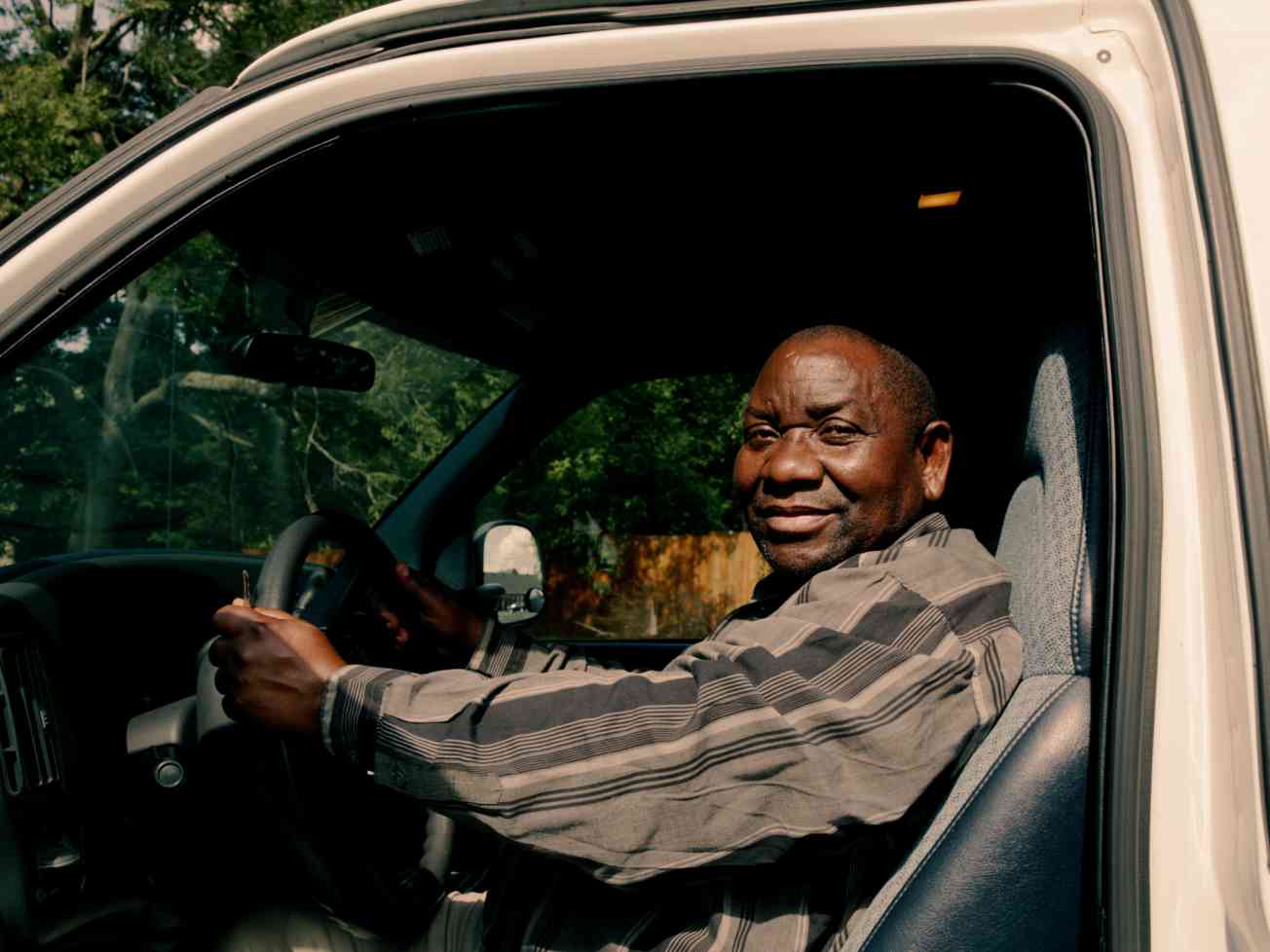
We provide assistance both in Africa and America, and we have two objectives:
Our first objective is to change the life of kids who live in bad situations in Africa, and to assist refugees and children in America as they adapt to their new life here. We have a partnership with Refuge Bowling Green here in America, and they help give us clothes, shoes, and uniforms that we send to two camps in Africa–the Nyarugusu Camp in Tanzania and Nakivale Camp in Uganda. Here in the United States, our partnership with Refuge Bowling Green allows me to help with transportation, to take people where they need to go as they start their new life here (ESL classes, grocery shopping, job interviews, etc.). We are also helping with sports.
Our second objective is to educate people about drugs and alcohol and child abuse, both in Africa and America. We educate newcomers about the laws, and help them change. In Africa it is normal to use a whip or baton to discipline children, so we are working to help people change and not use violence. We are currently working to get funding and find instructors and mentors to teach and help both the children and their parents.
I am grateful that people can read my story and see where to help.
This is really important because people from my country are surrounded by war and people who fight each other. This is a different, better way–with love.
Our team members obtain informed consent from each individual before an interview takes place. Individuals dictate where their stories may be shared and what personal information they wish to keep private. In situations where the individual is at risk and/or wishes to remain anonymous, alias names are used and other identifying information is removed from interviews immediately after they are received by TSOS. We have also committed not to use refugee images or stories for fundraising purposes without explicit permission. Our top priority is to protect and honor the wishes of our interview subjects.