Official Statement on the FY2026 Refugee Admissions Cap and Prioritization of White South Africans
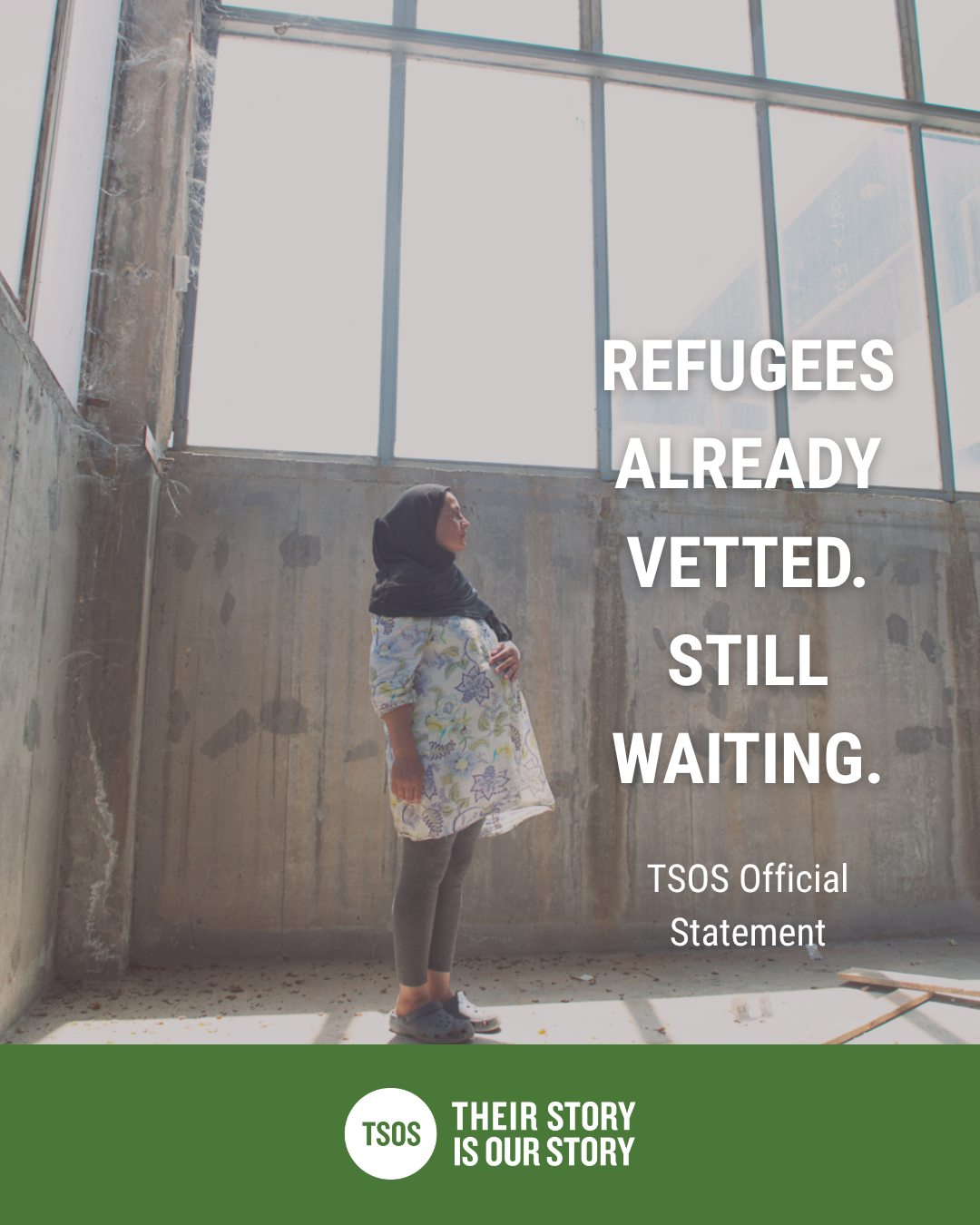
On October 31 the Trump Administration published a refugee admissions ceiling of 7,500. This is a historically low cap and places us in a troubling moment of retreat from our longstanding humanitarian commitments. It does not reflect global needs, nor does it honor the lives of the 120,000+ individuals and families who have already endured years of trauma, displacement, and extensive U.S. security vetting while waiting for the chance to reunite with their loved ones and rebuild their lives in safety.
We are particularly concerned by the Administration’s recent emphasis on prioritizing white South Africans for refugee processing. Every individual facing persecution deserves protection. But prioritizing one group, especially one with comparatively greater access to mobility, resources, and support, while thousands of already approved refugees remain stranded in danger sends a painful and inequitable message about whose suffering we recognize.
The refugees awaiting travel to the United States completed rigorous background checks, medical examinations, and multiple rounds of interviews years ago. They continue to wait, separated from family members and facing ongoing threats to their safety, solely because admissions numbers are kept so low. For these families, every month of delay means more harm, more uncertainty, and more loss.
At a time when global displacement has reached record levels, the United States should be expanding, not narrowing, its commitment to humanitarian protection. A more equitable refugee program requires both a higher admissions cap and a balanced approach to processing refugees from all regions, consistent with U.S. refugee law and the principle of protecting the most vulnerable.
We call on Members of Congress to speak out and act swiftly.
- Raise the refugee admissions ceiling to a level that reflects global needs and humanitarian responsibility.
- Press for equitable processing priorities that do not disproportionately favor one group over others who face imminent danger and have already completed the U.S. vetting process.
- Advocate for timely reunification of families who have waited far too long under extraordinary circumstances.
We encourage everyone to contact their congressional representatives and urge them to support a higher, more regionally balanced refugee admissions cap. Your advocacy matters, especially now, when vulnerable families around the world are waiting for the chance at safety they were already promised.
America is stronger for its history of offering refuge to those in peril. We must not abandon that legacy now.
Helping ITPs Succeed: Insights from Leading Support Programs
De-skilling and the Mental Health Effects Among Refugee Physicians
Discussions of physician workforce policy tend to organize themselves around numbers. Shortage projections, residency slot allocations, and licensing timelines dominate the literature, and for understandable reasons. More than 83 million people in the United States currently live in areas without sufficient access to a primary care physician, and projections suggest the country could face a shortage of as many as 120,000 physicians by 2030.