Georgetown Medical Students provide practical support for refugee integration
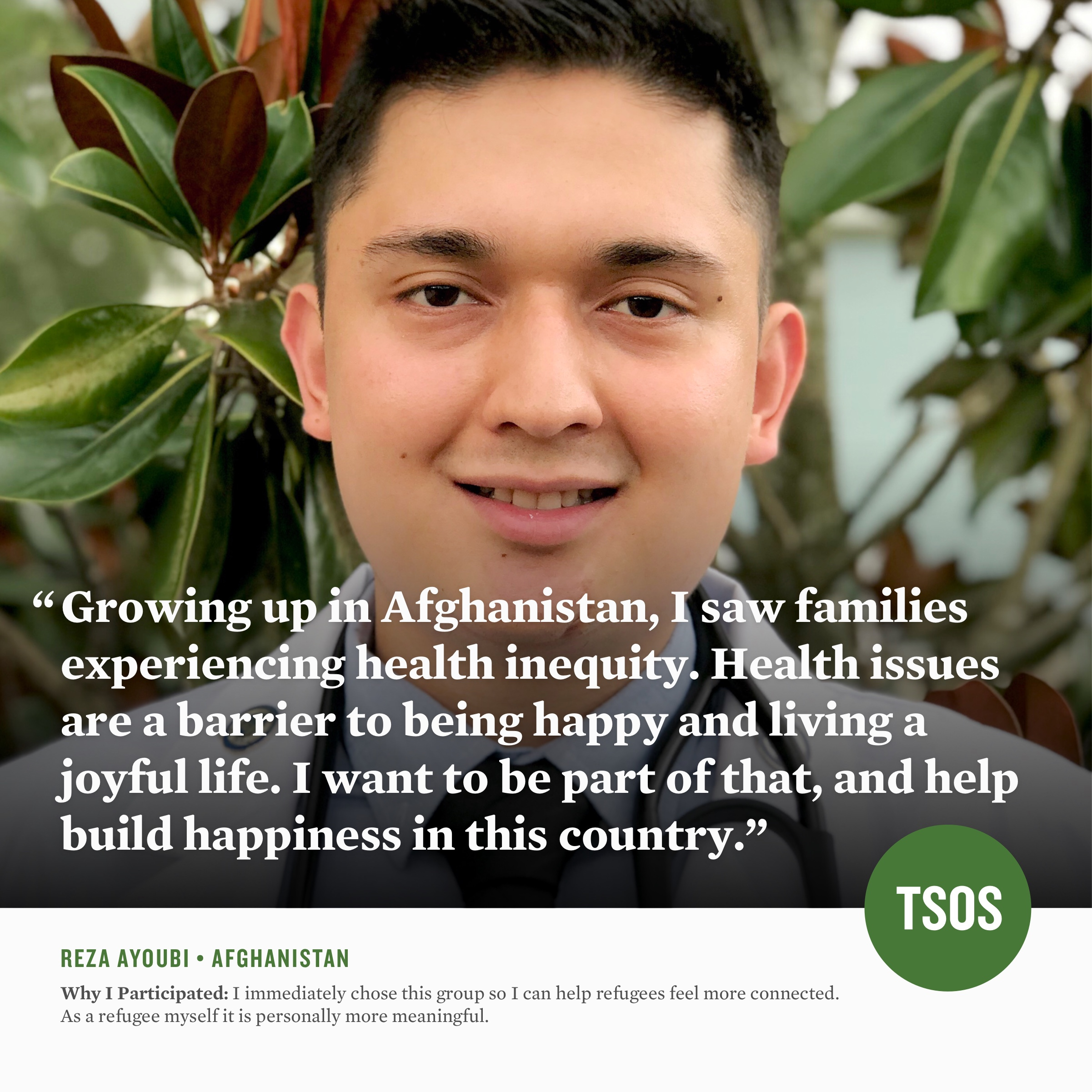
Since 2017, Georgetown University School of Medicine (GUSOM) collaborates with NoVa Friends of Refugees, a grassroots refugee support organization, to direct a course focusing on the medical needs of newly resettled refugees. Together with Catholic Charities, the Virginia Department of Health, and locally resettled refugees, students discuss resettlement, invisible barriers to services, and specific medical issues faced by refugee populations in the Washington DC area and identify a project they can positively impact.
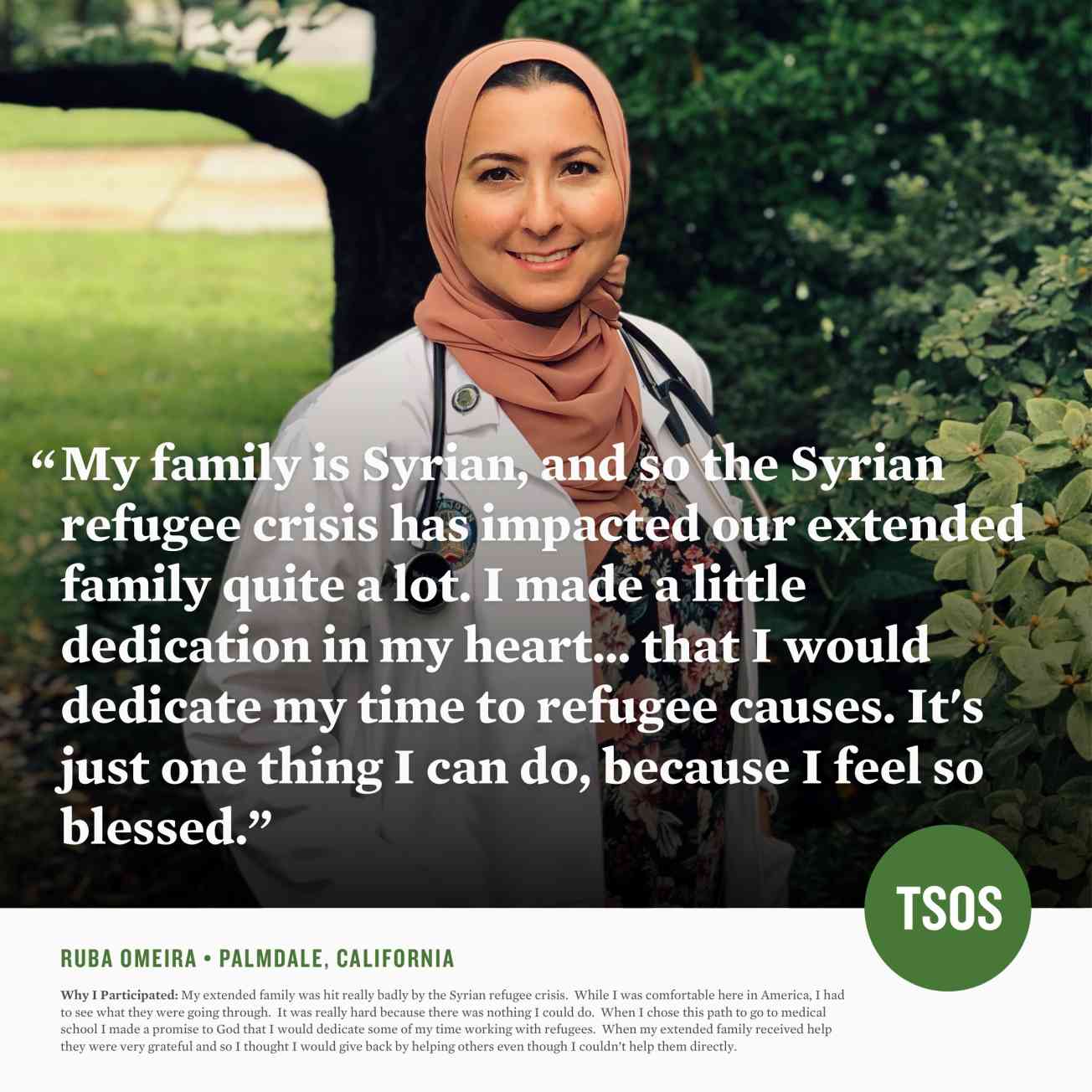
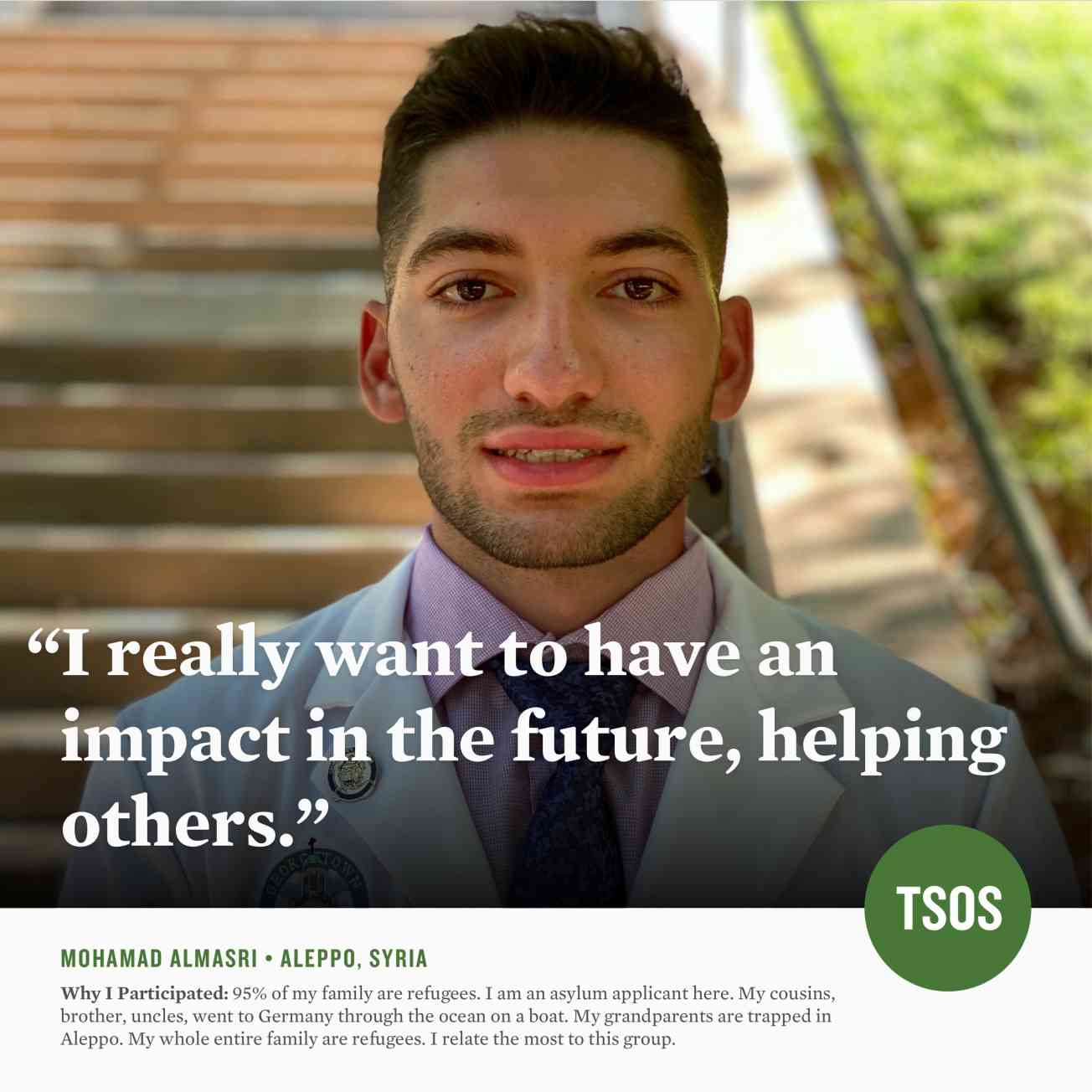
Recognizing how complex navigating the U.S. healthcare system is for those coming from other countries, over the years, the medical students have developed several projects including producing a series of videos to help explain in simple terms How To Visit the Doctor in the U.S. and How To Visit the Pharmacy in the U.S., as well as organizing a network of volunteers to assist refugees with specific medical needs to navigate the U.S. healthcare system.
Upon completing the course, these future physicians not only have a greater understanding of refugees’ experiences and needs but also are providing solutions for many of the challenges of successful integration.
Both are necessary components to providing quality and compassionate health care for newly-arrived refugees.
2020-2021 GUSOM Participants
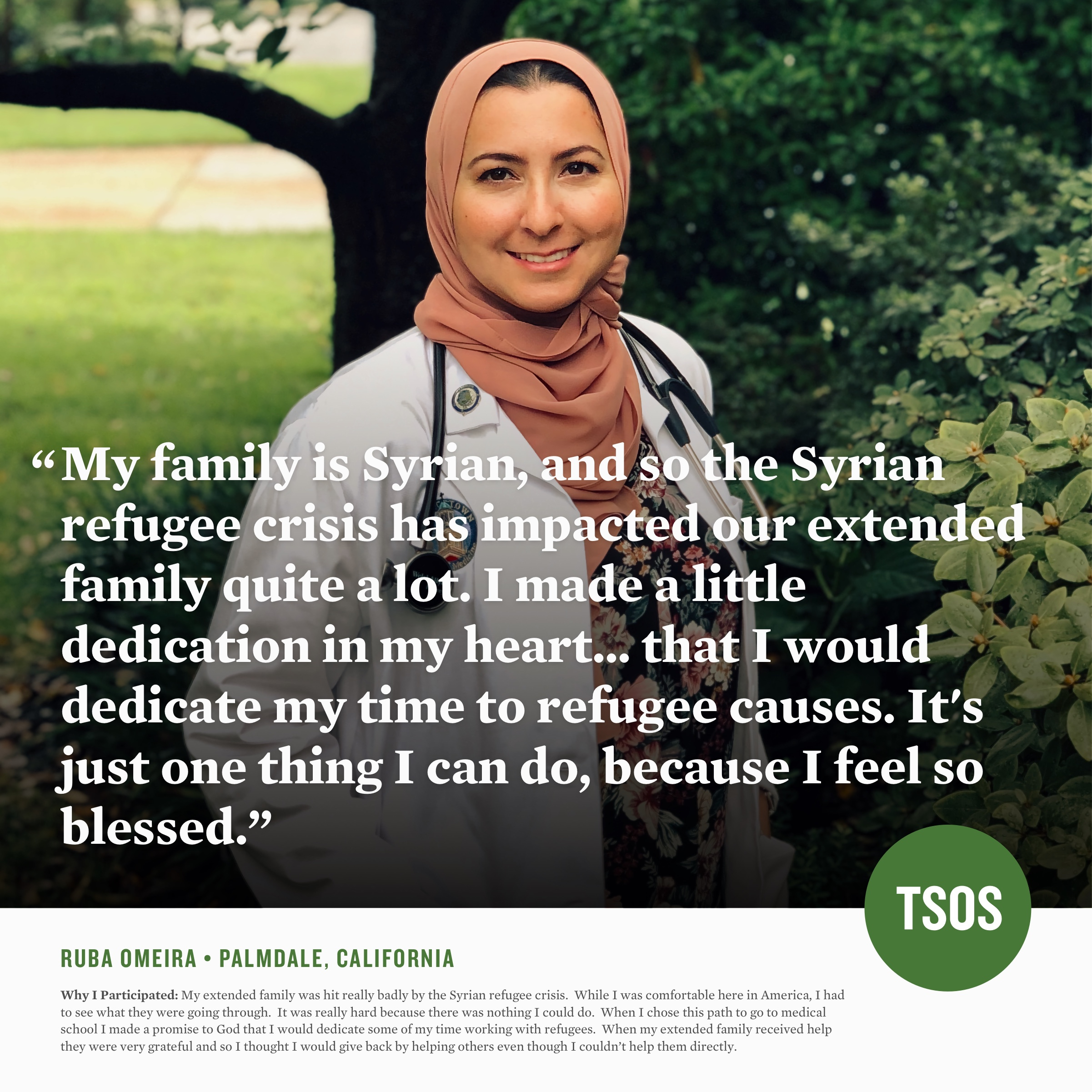
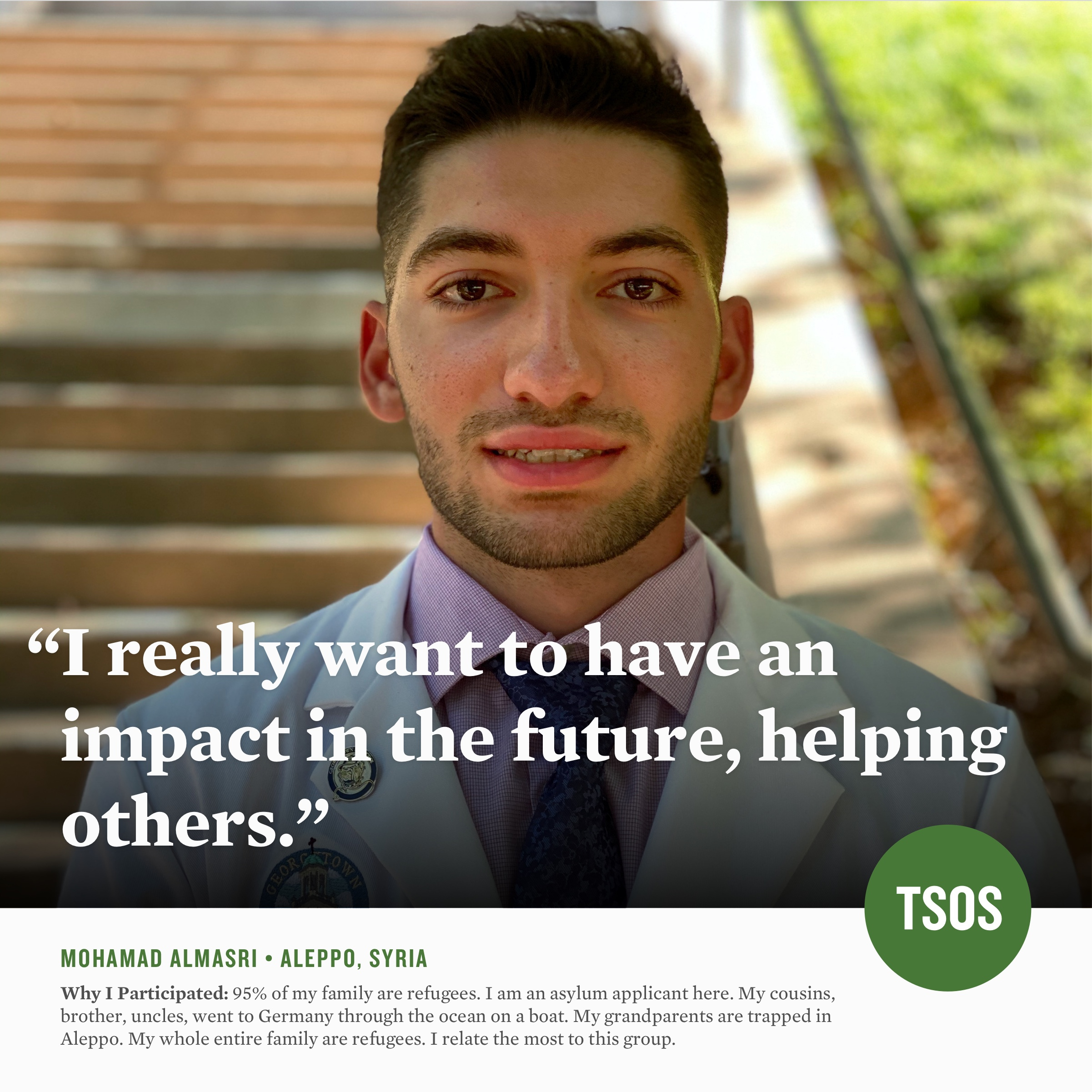
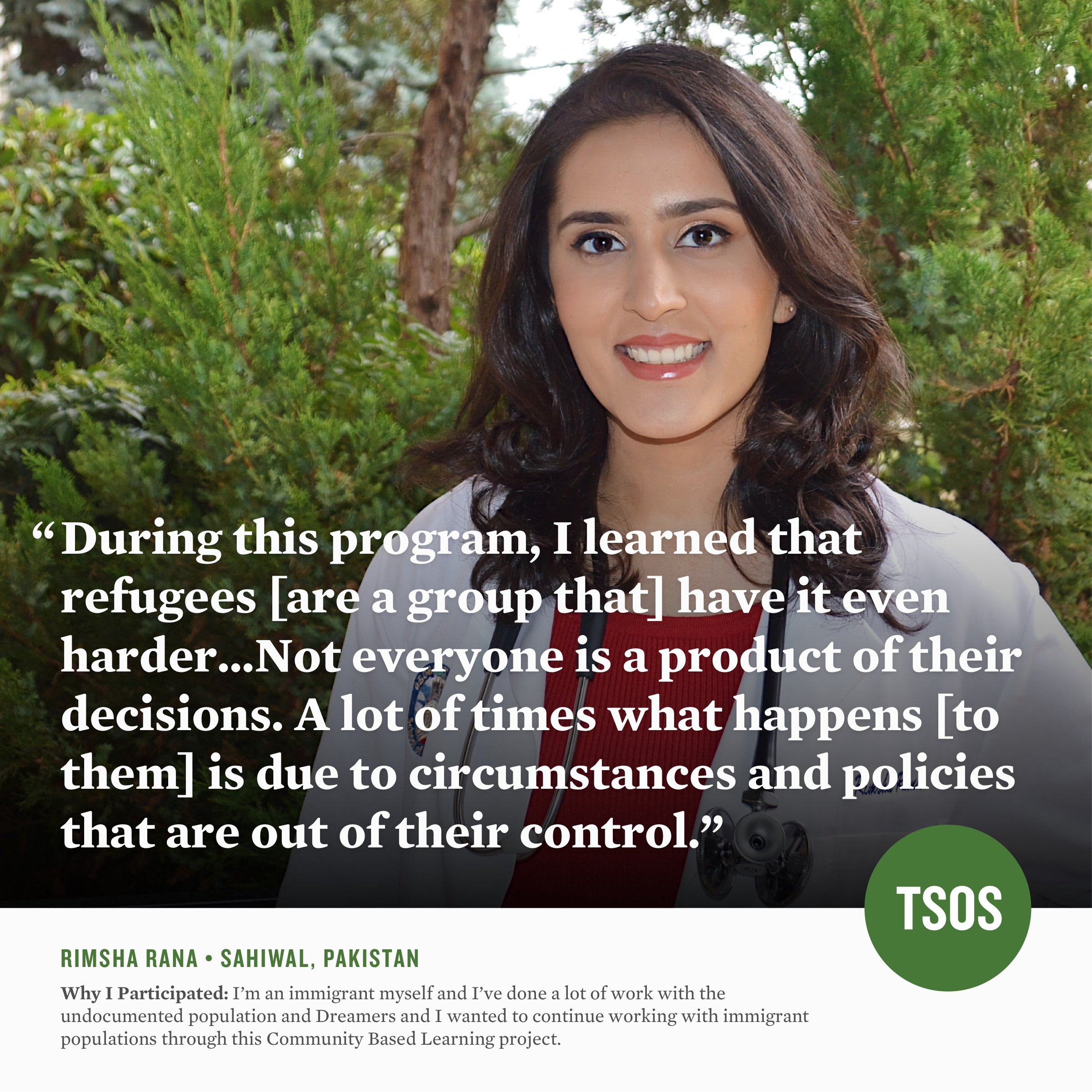
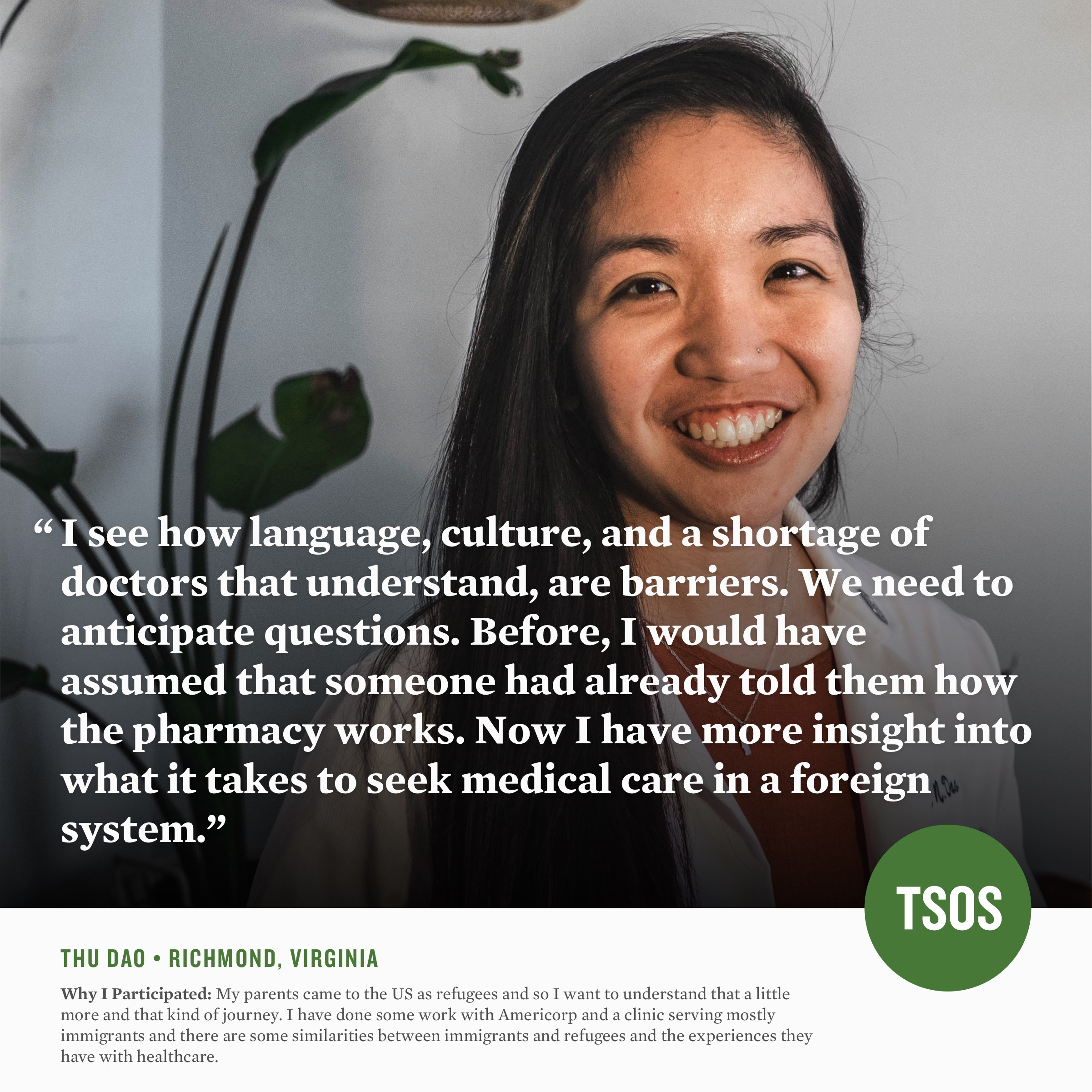
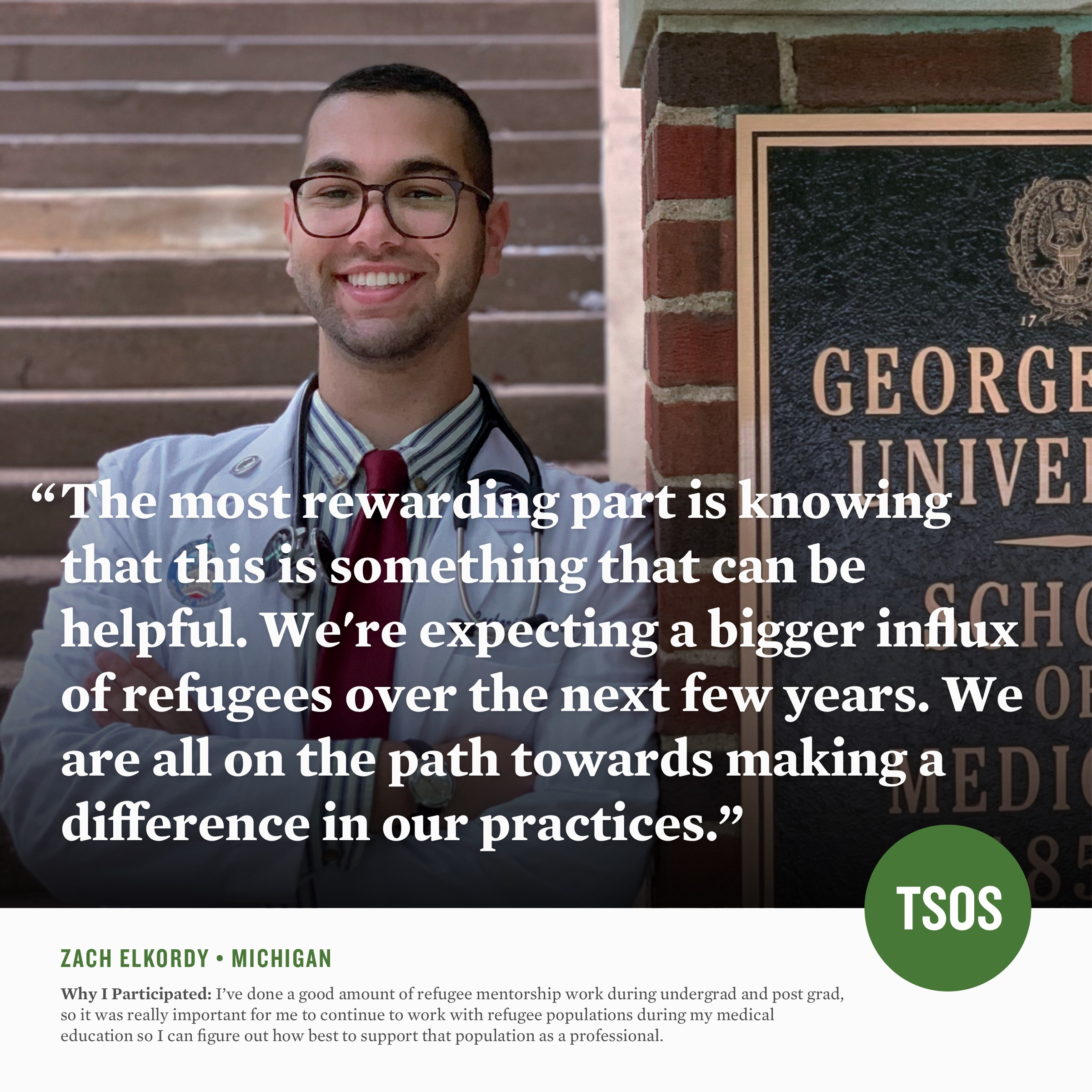
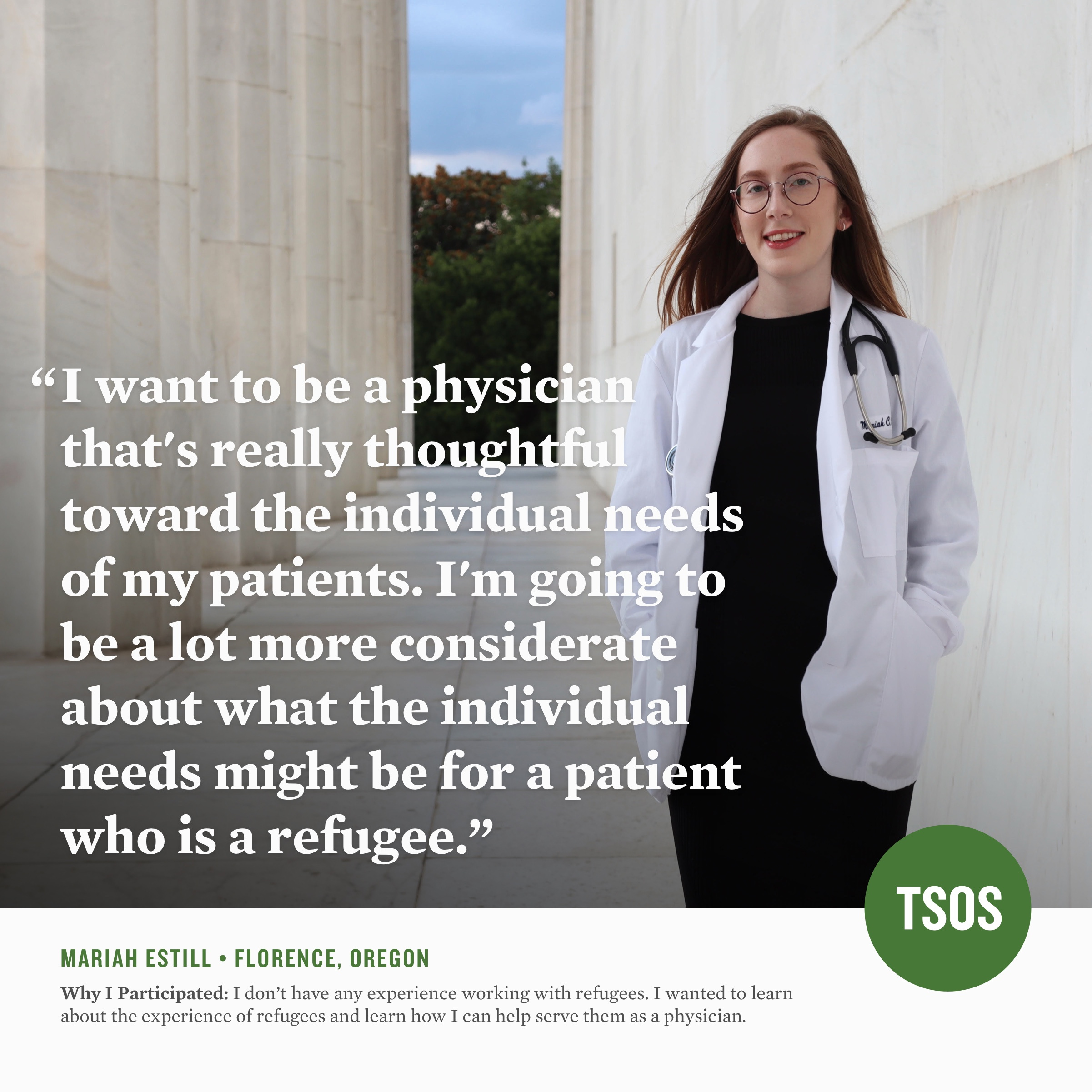
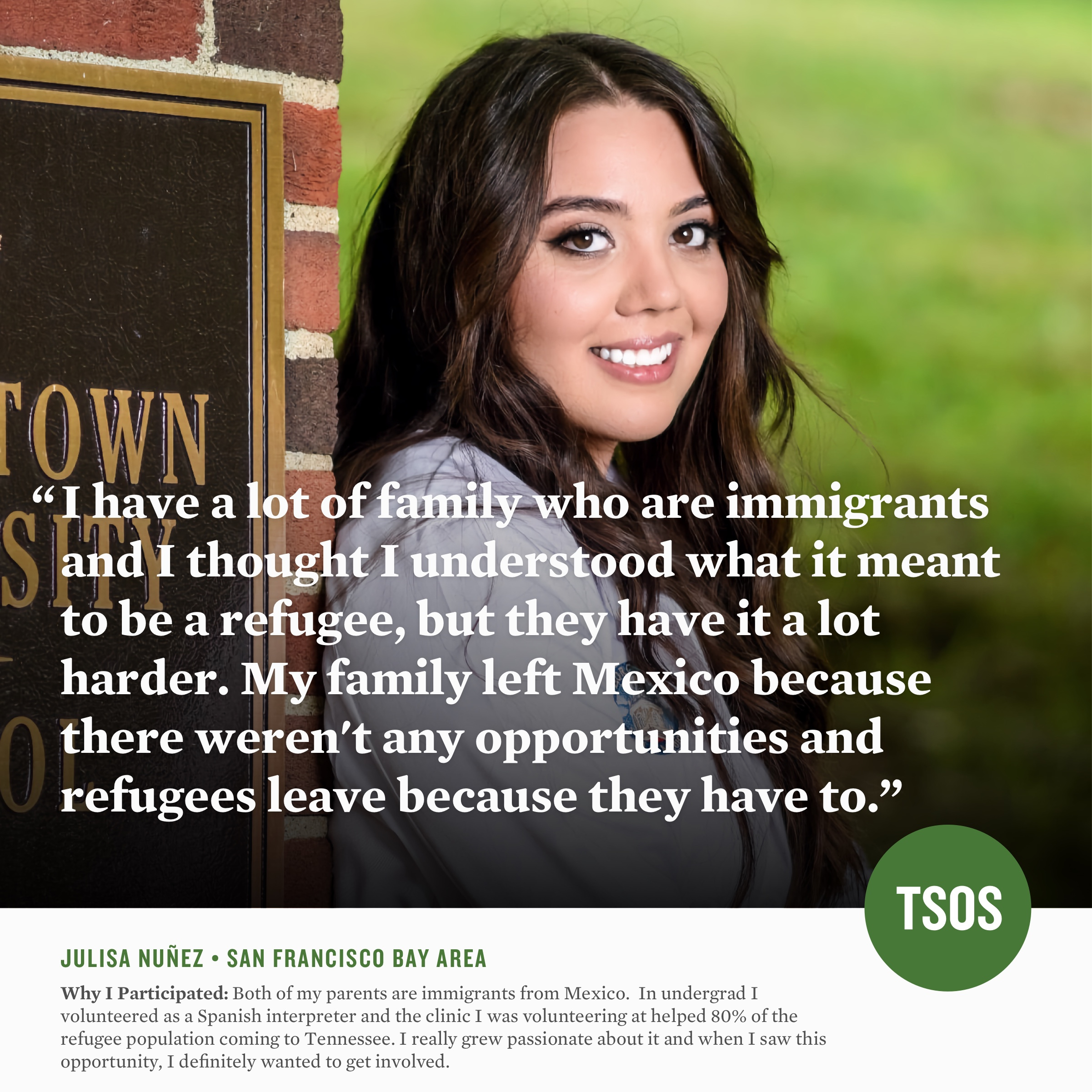
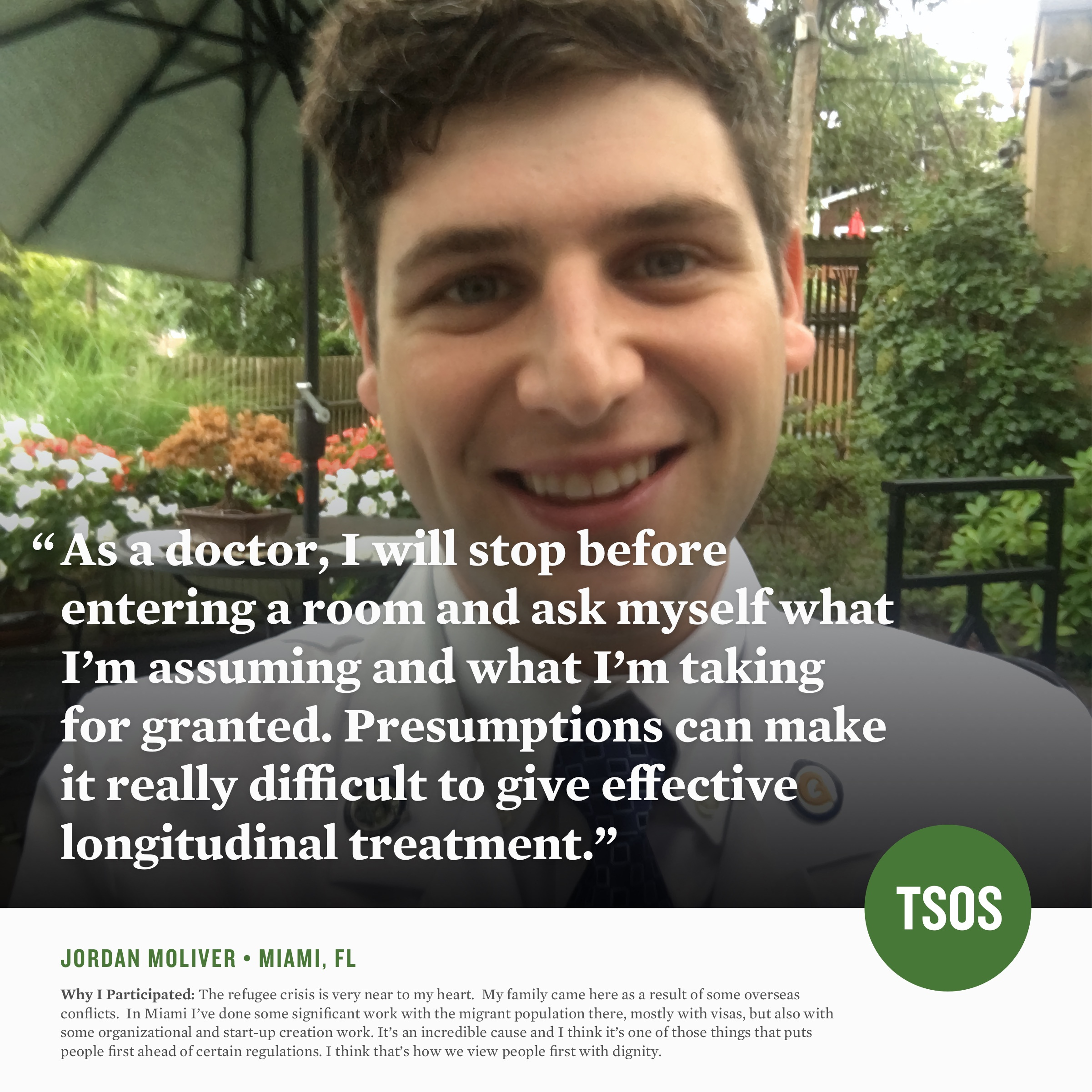
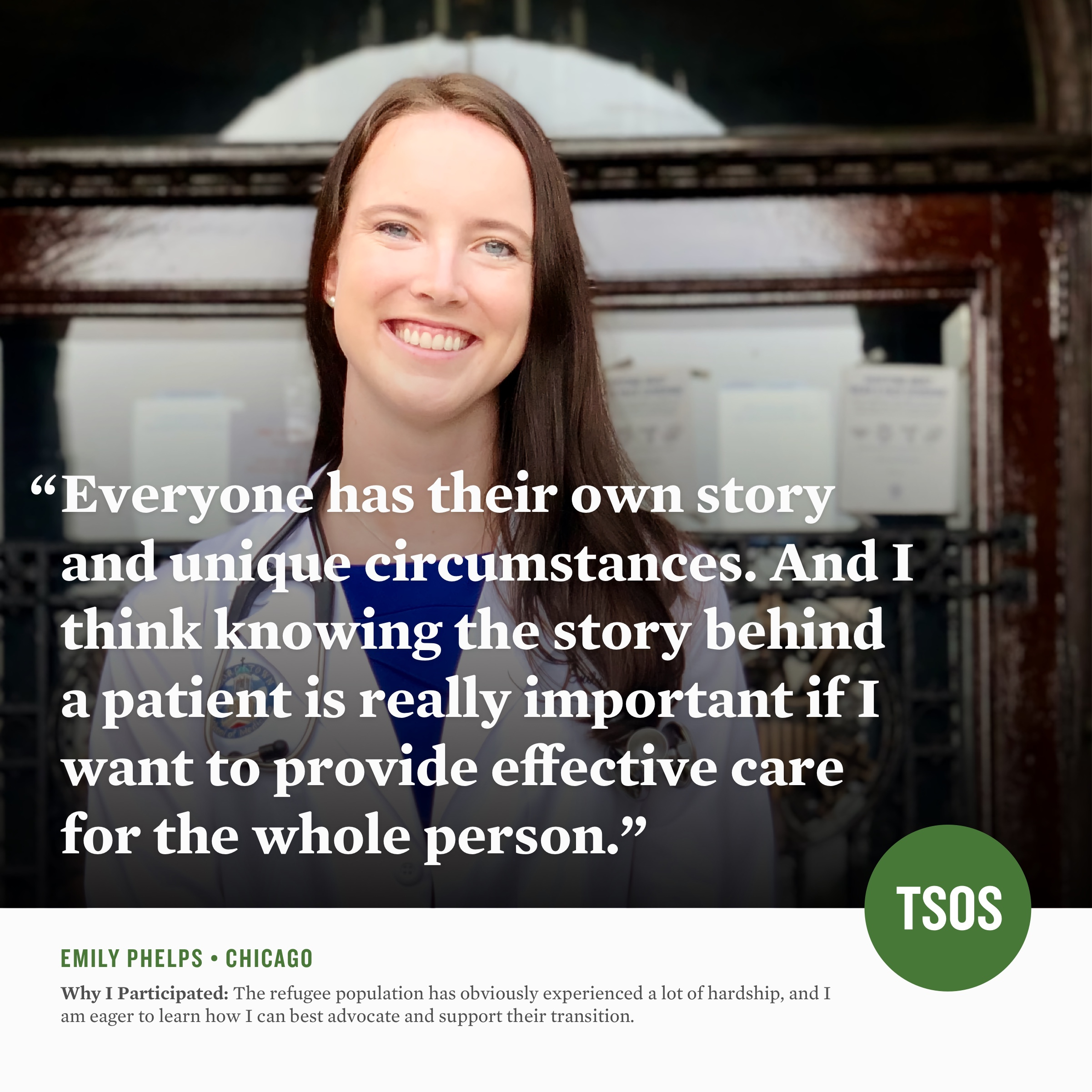
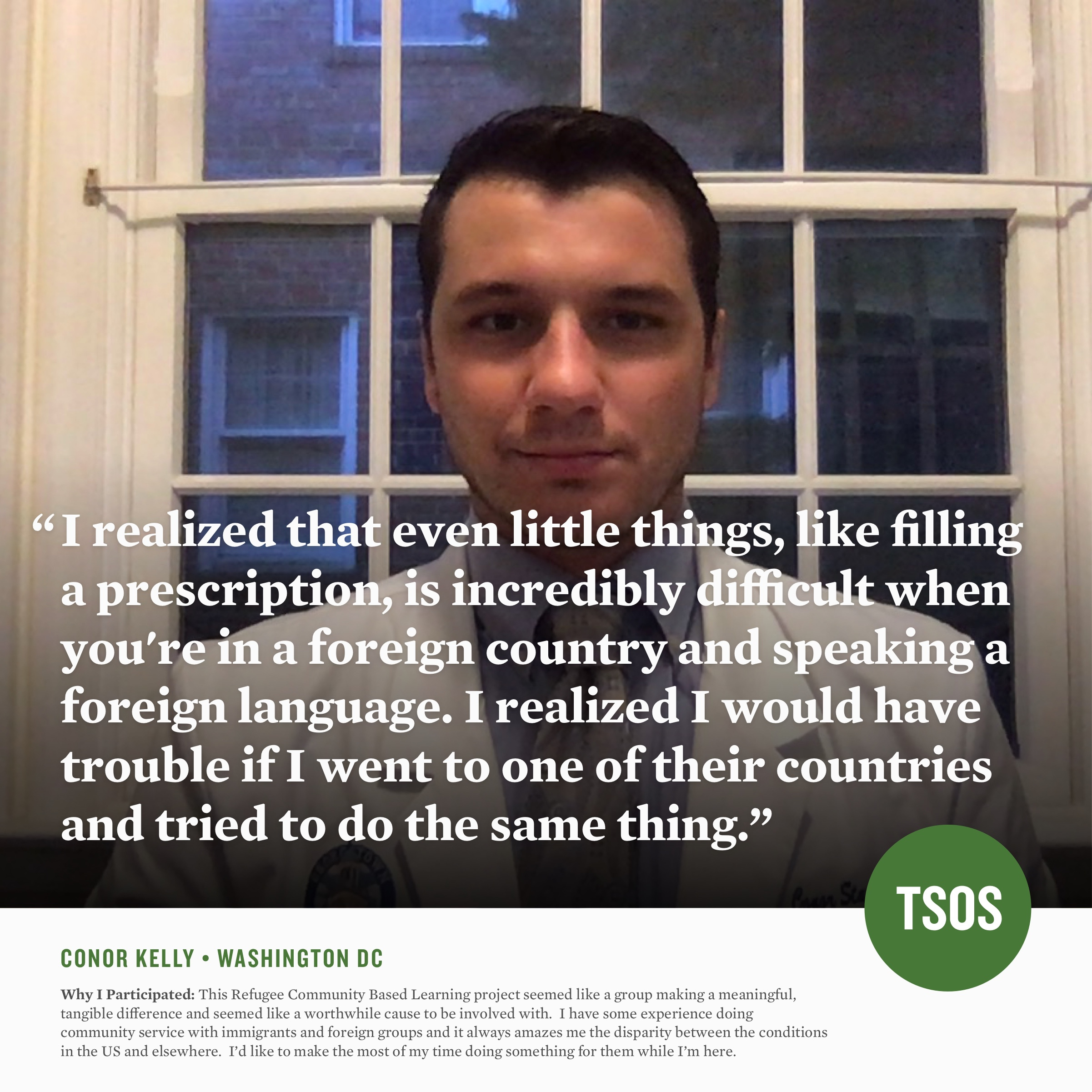
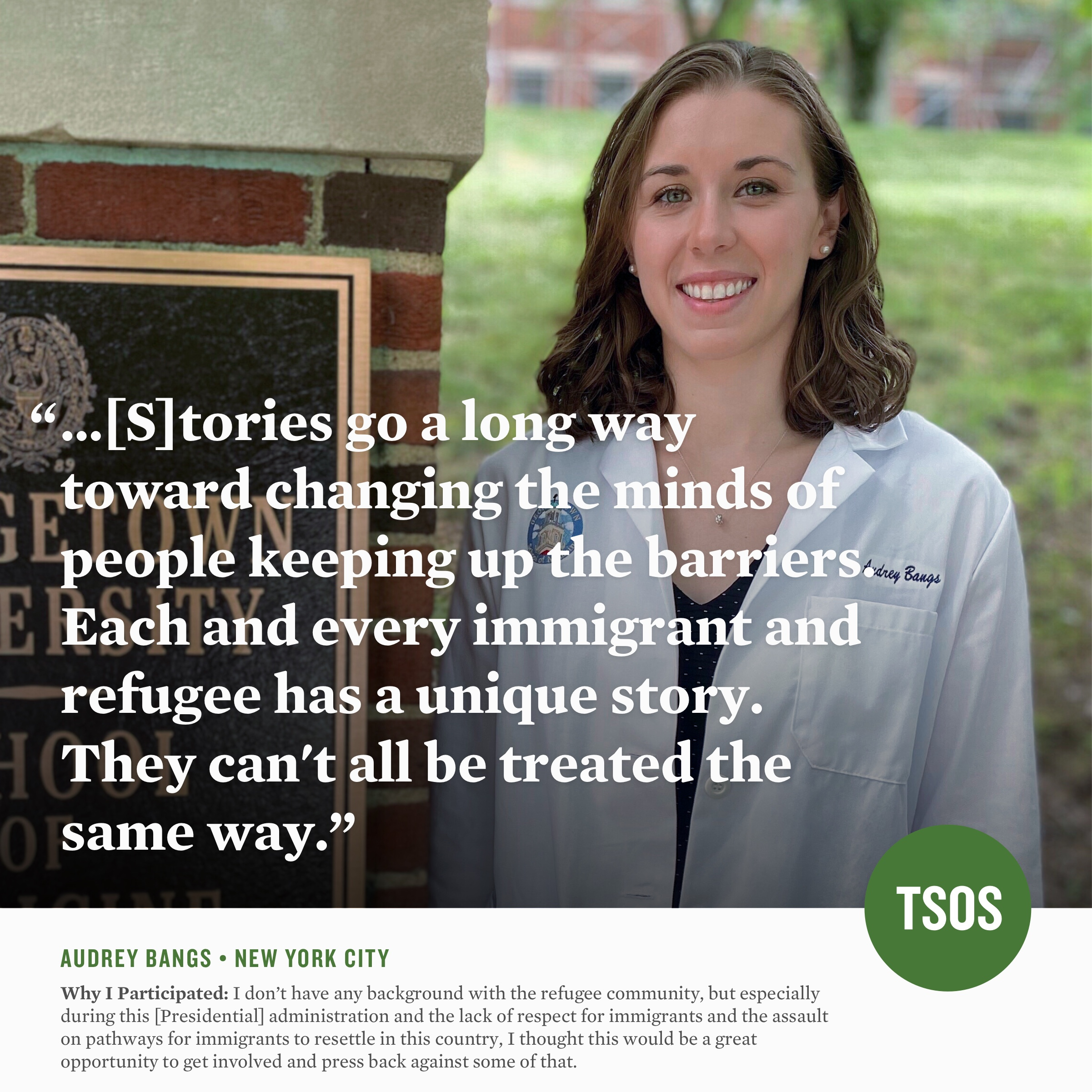
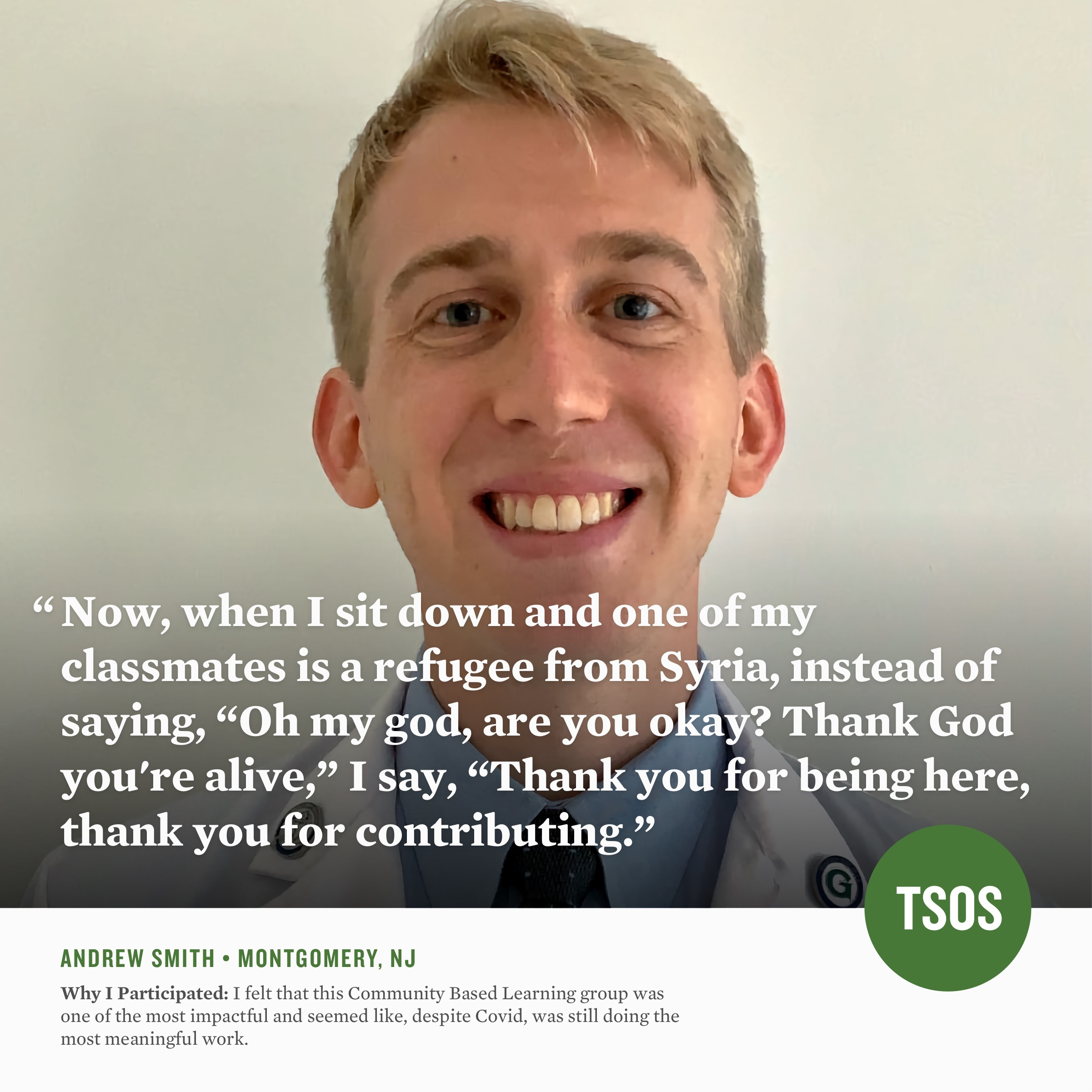
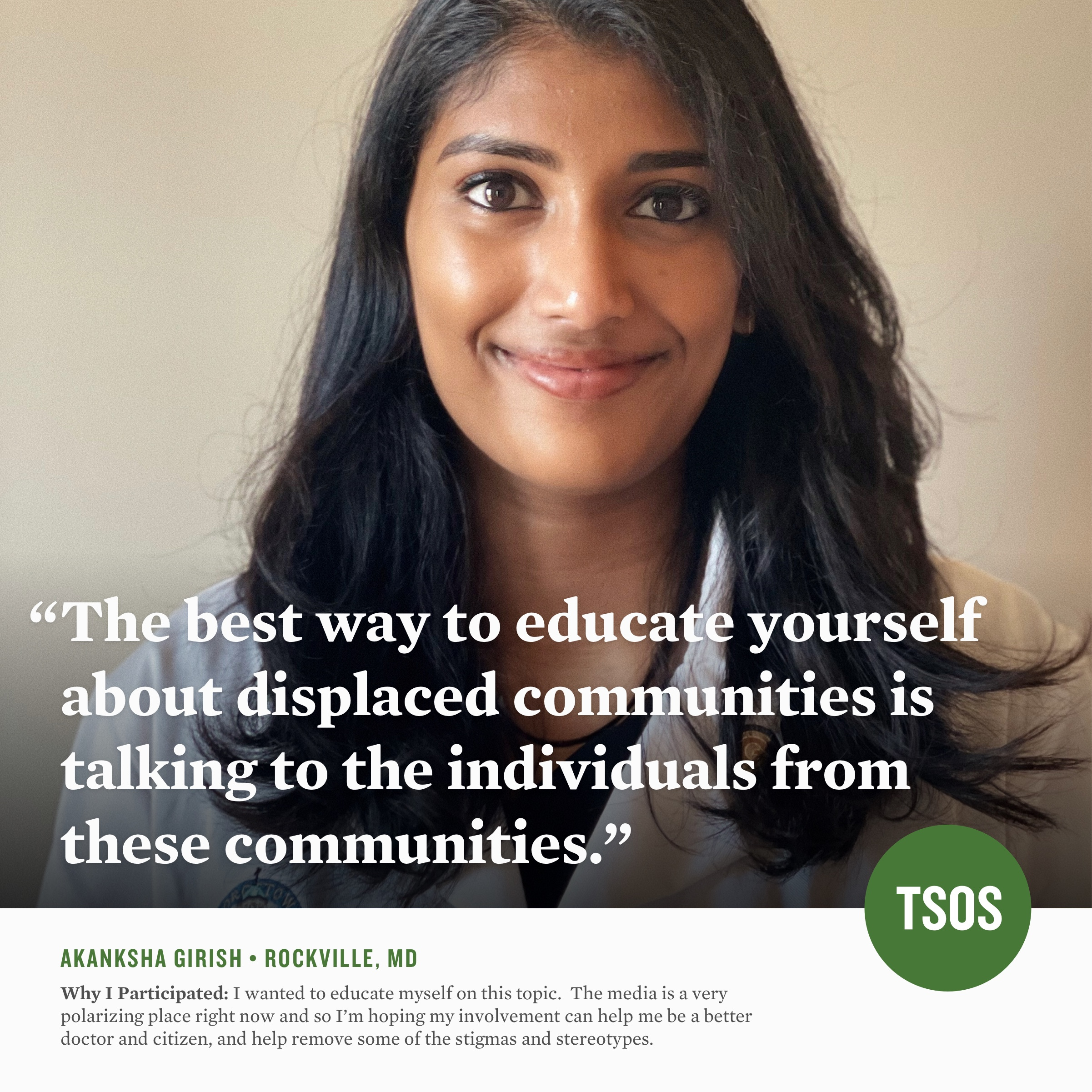
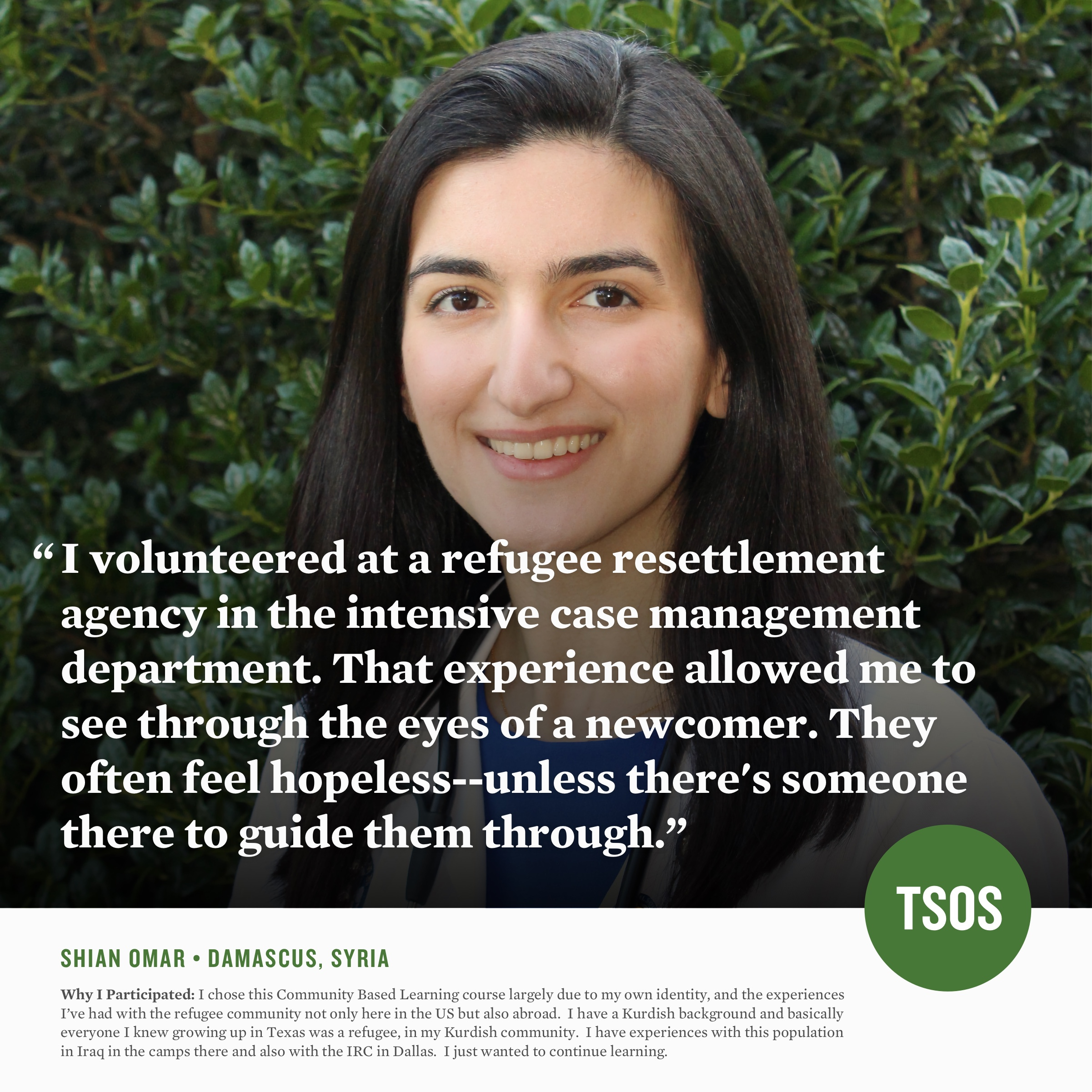
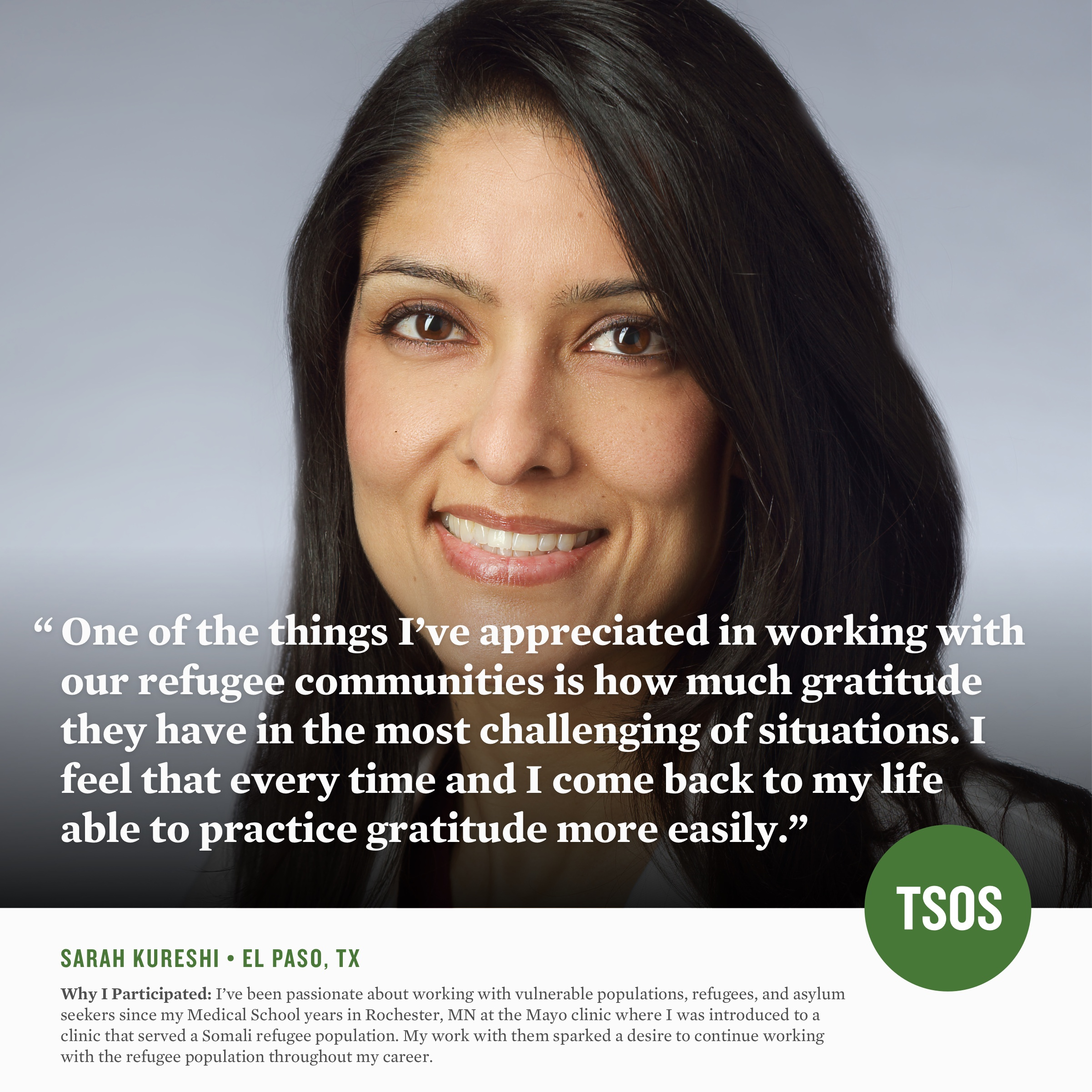
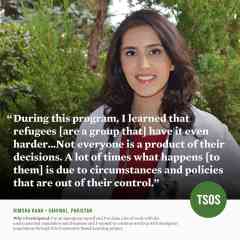
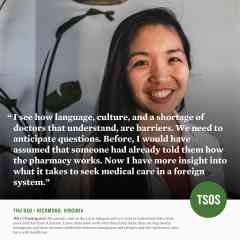
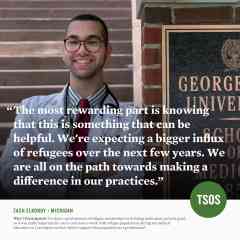
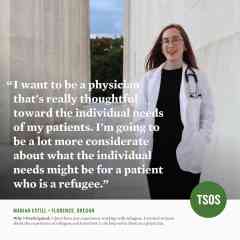

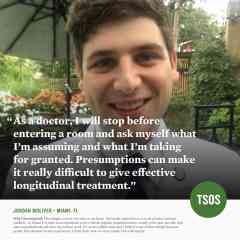
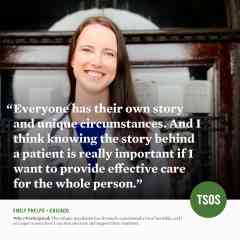
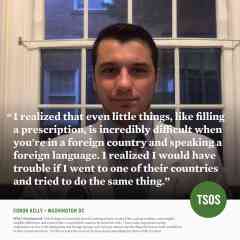
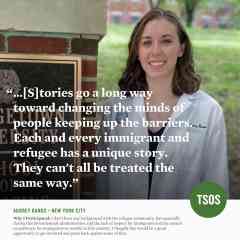
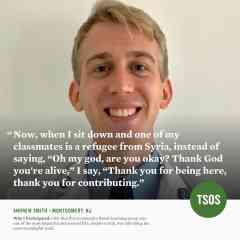
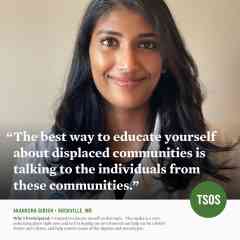
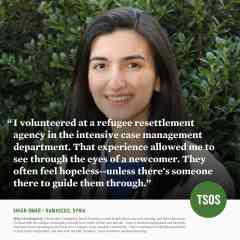
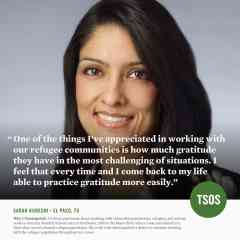
TSOS is pleased to document and support the 2021-2022 GUSOM NoVa Friends of Refugees cohort, in collaboration with the George Mason University refugees student organization Safe Haven Space, Northern Virginia Coalition for Refugee Wellness, and Catholic Charities Diocese of Arlington.
In response to the number of displaced Afghans who are and will be relocating to the greater Washington D.C. area, many of whom suffer from the effects of trauma, the class will be identifying a project which focuses on refugee mental health and wellness.
Helping ITPs Succeed: Insights from Leading Support Programs
De-skilling and the Mental Health Effects Among Refugee Physicians
Discussions of physician workforce policy tend to organize themselves around numbers. Shortage projections, residency slot allocations, and licensing timelines dominate the literature, and for understandable reasons. More than 83 million people in the United States currently live in areas without sufficient access to a primary care physician, and projections suggest the country could face a shortage of as many as 120,000 physicians by 2030.