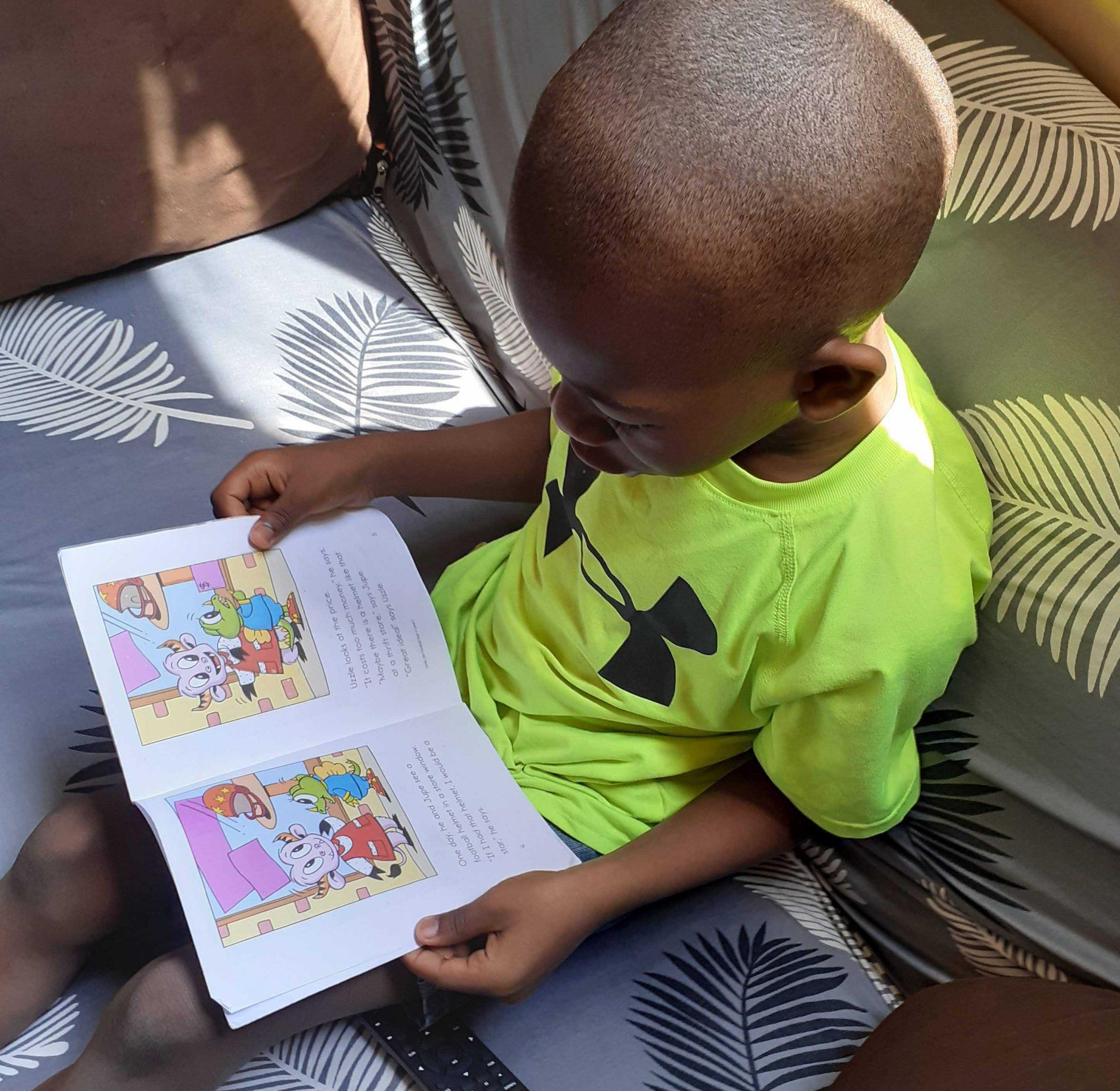
Education is nearly always challenging for resettled refugee children as they adjust to a new country, new curricula, new friends, and often a new language, but it’s even more difficult for children who are waiting for a permanent home in countries that can provide very little educational support. Add in a worldwide pandemic, and education is nearly impossible.
Egypt is one of those countries hosting a large number of refugees and asylum seekers, but with few resources to offer. Over 90% of Egyptian children attend primary school, but only 75% attend secondary school and 31% go on to university. The literacy rate in Egypt is about 71% and has dropped in recent years. The 2010s were a difficult decade in Egypt, even without the complication of hundreds of thousands of refugees and immigrants seeking safety here. Egypt is working hard to improve access to education for its citizens.
Right now in Egypt there are over 100,000 registered refugee and asylum-seeking children who need to be in school. There are hundreds of thousands more immigrant children who have few educational options. Sometimes it’s because of language if the children don’t speak Egyptian Arabic, sometimes it’s because they aren’t legally allowed to attend Egyptian public schools, sometimes it’s for other reasons. Egypt has agreed to allow the children of some asylum seekers and refugees to attend public schools, but a variety of issues keep most children from accessing this right and their parents have had to find other alternatives. There are many private learning centers all over Cairo that provide a basic education in different countries’ national curricula for a fee, with widely varying educational standards.
Like most of the world, Egypt’s schools closed in March, and like most schools in countries that aren’t wealthy, there was no online support for months. Schools reopened in the middle of October, but refugee families have had a very difficult time sending their children back to school because they cannot afford the school fees at the private schools their children have to attend. Tuition is very low here in comparison to private schools in many countries, but it is still far too high when so many parents have been unemployed since March. Children desperately need to be back in school.
While many children around the world will have a gap in their education because of coronavirus, this is especially concerning for refugee children because many already lost months or years of schooling because of civil war, displacement, and family separations. It is not uncommon to see children who are three years behind in school when they arrive in Cairo. Losing another 7 months of school only adds to the problem. NGOs, private organizations, and individuals are doing what they can to help, but the need far outstrips the resources, especially when so many Egyptian children have little access to good education too. There is a great deal of need here, and in many other countries like Egypt.
So, what can you do to help? The most important thing you can do right now is advocate for refugee resettlement in your own country and support and welcome resettled refugees. There are many wealthy countries that could do much more to help refugees and take the burden off countries who are hosting millions of refugees with few resources. You can also advocate for your government to support UNHCR. Or, check out organizations doing important work to support education for refugees in Egypt.
Helping ITPs Succeed: Insights from Leading Support Programs
Partner Profile: No One Left Behind
Their Story is Our Story and No One Left Behind (NOLB) joined forces in 2025 to launch the StoryShield program.
We spoke with Matthew Marcellus, Director of Communications with NOLB, and asked what the partnership with TSOS has meant for his organization and their Afghan clients.
Context with Layma
Social media presents us with an endless scroll of headlines and ‘hot takes’. What’s often missing is context. What is the history that led up to an event? Whose interests are served by a certain policy? What effects is that policy having on people’s lives? Layma Murtaza produces and hosts the video series “Context with Layma”, featured on Their Story is Our Story’s social media channels. We spoke to her about the context of her own life, as an Afghan-American and a professional in humanitarian aid, that led her to use storytelling to illuminate the personal and political context behind the headlines.