Here at TSOS, we believe stories have the power to connect us human to human, perhaps even moving us to insert ourselves into each other’s stories. One story of a particular family who fled “Afghanistan over Pakistan, Iran, Turkey, Greece, Hungary, and Austria...Weeks and weeks on foot, days without food, detained three times by police, shot in the feet, the boat crossing middle of the night, the cold and unspeakable fatigue, the fear, the stress. And a lifetime of war already written into their bones”* shook me to my center and thrust me to find a way into the work of supporting refugee integration. Doing so has forever changed me.
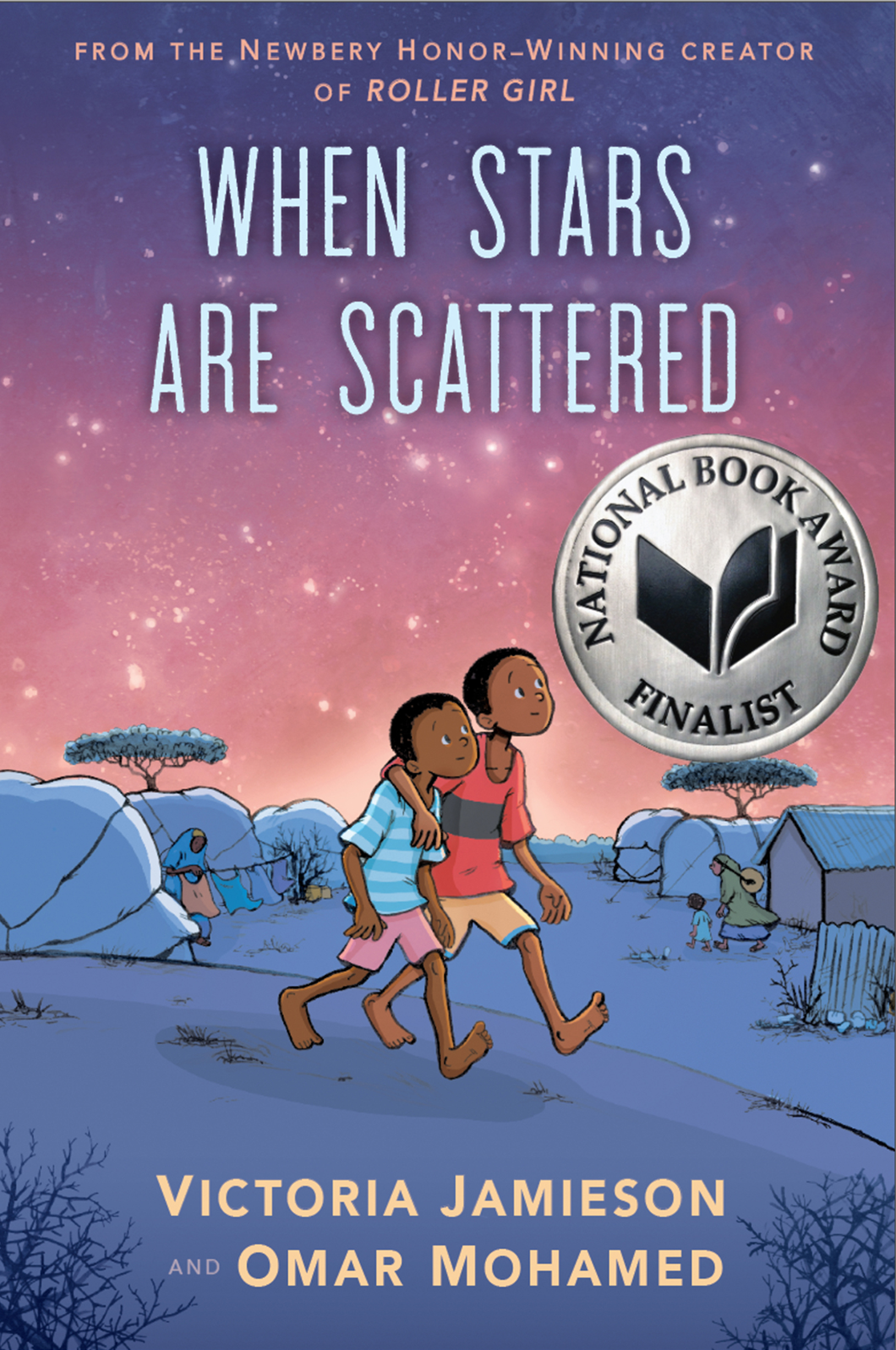
Since then I’ve discovered that as much as my newcomer friends may need help in successfully integrating into their new communities, the rest of us have much to gain from their lived experience, maybe especially in a pandemic-filled world of uncertainty. Recently I read the story of Omar Mohamed, a young Somali boy, told in the graphic novel When Stars Are Scattered. Omar and his younger brother waited 14 years in a Kenyan refugee camp before finally being resettled to Tucson, Arizona. As I read his description of those 14 years as a “giant waiting room, filled with hundreds of thousands of people waiting and waiting and waiting...for a place to call home, a place where they can work, or go to school, a place where their families will be safe,” I thought how many of us have shared those feelings this past year, waiting to return to our old lives or at least to start new.
2020 has been the most challenging year that many of us have faced. Collectively we have experienced the effects of disease, death, hatred, financial insecurity, racial injustice, political upheaval, social unrest, violence, joblessness, food supply shortages, and fear for personal safety at a scale beyond anything familiar. Certainly, our personal resiliency reserves have been tested to new levels.
Now that we have turned the corner and have stepped into 2021, we may find that not much has changed. A vaccine is on the horizon but we don’t exactly know when our own name will come up on the eligibility list, how widespread the public response will be to make it effective, when the economy will recover, how trust will be rebuilt. So much uncertainty can wear on one’s soul, but my friends who have fled conflict and destruction, lost homes, language, livelihood and sometimes family members are often experts at resiliency.
Omar writes at the end of the book, “In the camp, we were given courage by our faith to always be patient and to never lose hope. Things may seem impossible, but if you keep working hard and believe in yourself, you can overcome anything in your path.” Challenge yourself to make friends with someone this year who has recently been resettled. Together you may teach one another how to forge into the future.
*As told by Melissa Dalton-Bradford, co-founder of Their Story is Our Story.
Helping ITPs Succeed: Insights from Leading Support Programs
De-skilling and the Mental Health Effects Among Refugee Physicians
Discussions of physician workforce policy tend to organize themselves around numbers. Shortage projections, residency slot allocations, and licensing timelines dominate the literature, and for understandable reasons. More than 83 million people in the United States currently live in areas without sufficient access to a primary care physician, and projections suggest the country could face a shortage of as many as 120,000 physicians by 2030.