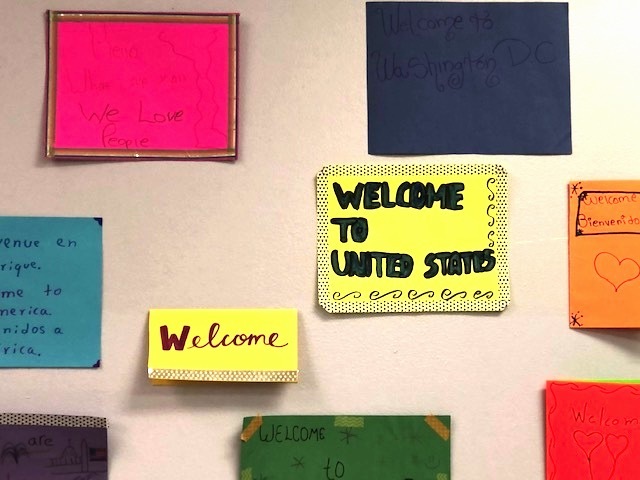
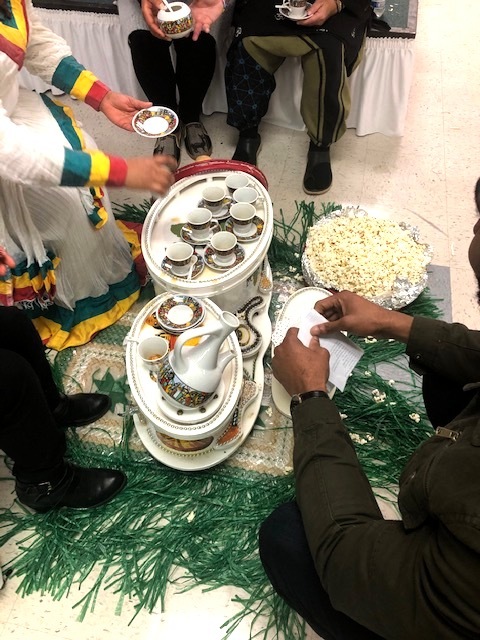
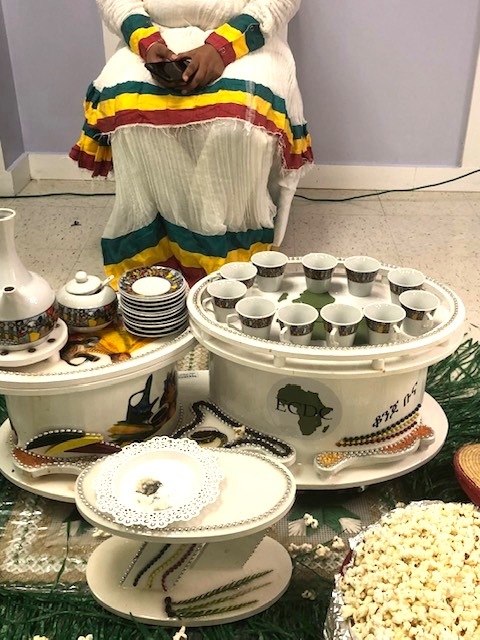
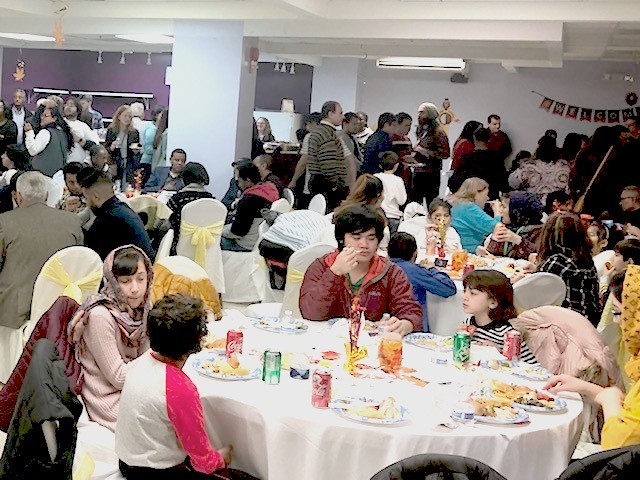
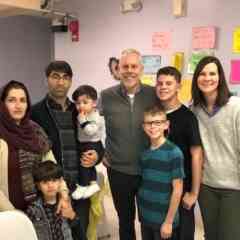
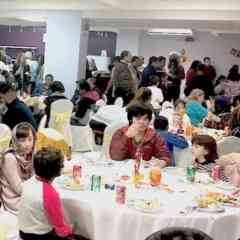
This year our family had a beautiful early Thanksgiving meal with a group of newcomers to our area, making way for new insights into this annual holiday that made it mean so much more. Hosting its 8th annual Refugees’ First Thanksgiving event Ethiopian Community Development Council (ECDC) in Arlington, Virginia invites newly resettled refugees to join in this feast with other families in their community.
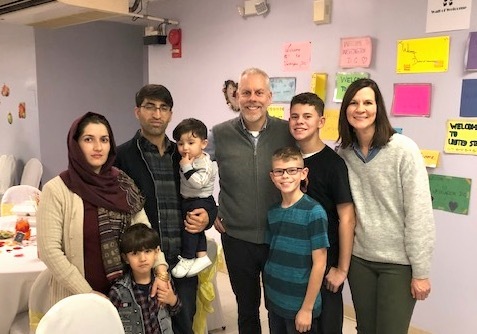
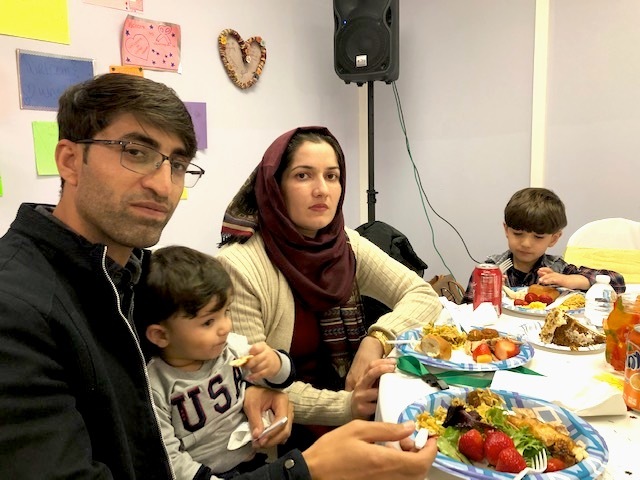
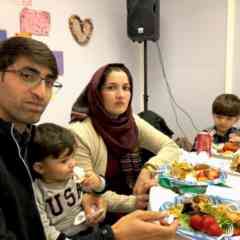
A young Afghan family, the wife in her hijab and their two boys ages 1 and 5 wearing USA attire, had arrived in the U.S. just 15 days before. Beyond it being an American holiday, it seemed that the guests struggled to grasp the significance of the Refugees’ First Thanksgiving celebration and why an American family would also be seated with them.
To be honest, the correlation of this meal of newcomers and locals to the first feast shared between our Pilgrim and Native American forefathers hadn’t occurred to me either until recounting for our new friends the familiar story of a people escaping persecution, a harsh winter, help being offered, and a shared celebratory meal. It is a story that our school children often re-enact, yet told in this setting to this audience, it clearly mirrored the resettlement story of refugees and welcomers, and instantly validated why we both had come.
For me and many Americans, the Thanksgiving holiday has come to be synonymous with coming home. In fact, my family drove over 13 hours to share this year’s feast with extended family in Florida, adding another thread of memories to those from previous gatherings. So intertwined are our memories of past festivities that we take great lengths to gather and ensure our favorite traditional dishes—rarely eaten outside of the season—will be on the table. Sometimes we get rather passionate about which kind of pie “must” be served, not altogether conscious that our favorite flavors are connected with a particular feeling. I believe that feeling is Belonging.
Having a sense of belonging is a common human need, equal to the need of food and shelter. When our Native American friends generously helped the Pilgrims plant crops and build homes, they weren’t only helping them to survive, they were accepting their new neighbors and enabling them to make this land “home.” Today, by extending a welcoming hand or offering a hand up to succeed, we too can say to newcomers “you belong here.” In fact, in attending the Refugees’ First Thanksgiving event our family was expressing, “you belong with us: at our table and in our homeland.”
Tradition suggests Thanksgiving is a meal that is shared. Even when circumstances may prevent us at times from being with family, we frequently opt for gathering with friends over celebrating alone. Similarly, the story of resettlement is a shared experience of belonging.
As true today as it was for our forefathers: Their story IS our story. When newcomers feel like they belong, we all thrive.
Refugees' First Thanksgiving Feast
Helping ITPs Succeed: Insights from Leading Support Programs
De-skilling and the Mental Health Effects Among Refugee Physicians
Discussions of physician workforce policy tend to organize themselves around numbers. Shortage projections, residency slot allocations, and licensing timelines dominate the literature, and for understandable reasons. More than 83 million people in the United States currently live in areas without sufficient access to a primary care physician, and projections suggest the country could face a shortage of as many as 120,000 physicians by 2030.