Stories of Loss — Stories of Reconnection
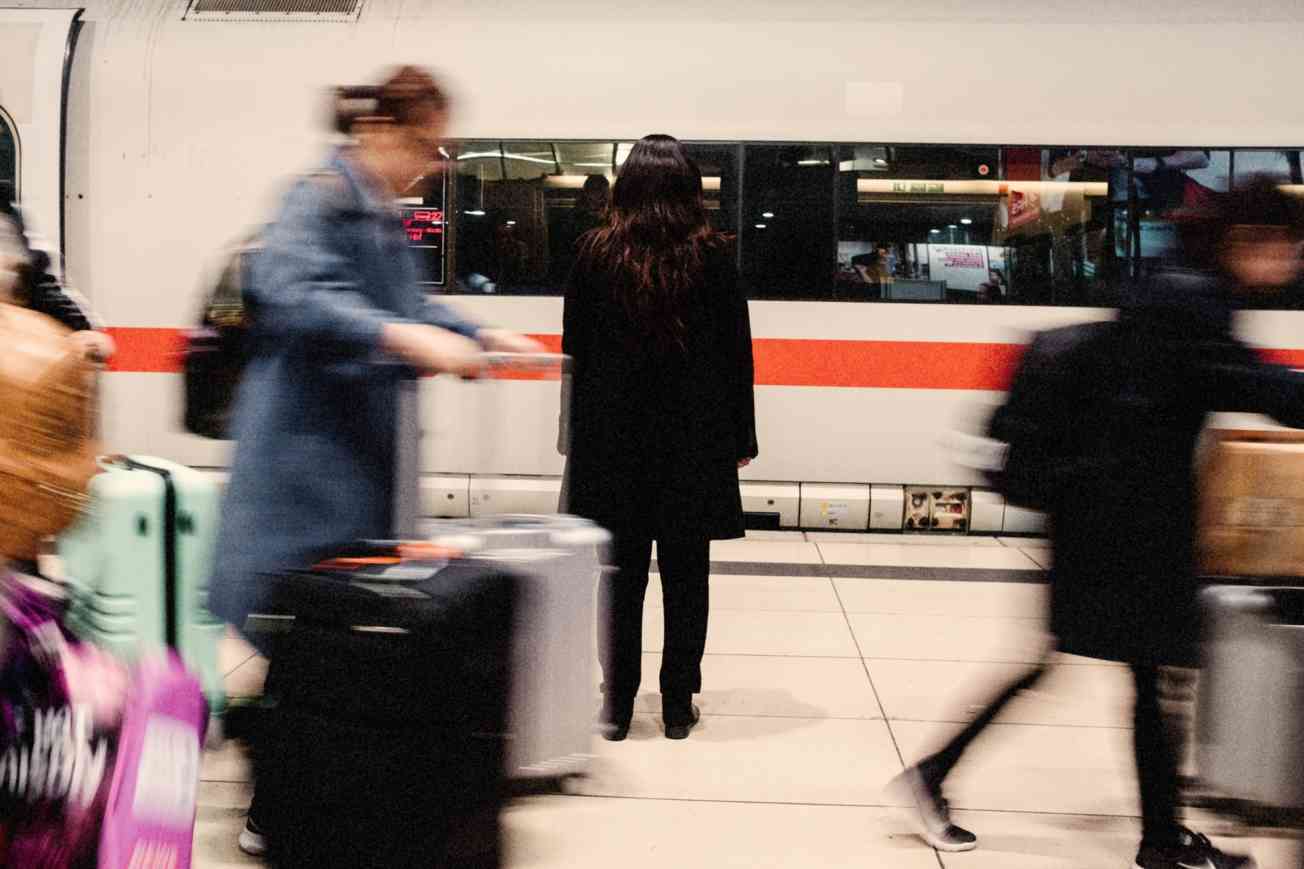
Fleeing your home and country means loss. The journey of a refugee is a story of loss.
In his book Lost Connections, author Johann Hari argues that depression doesn’t stem from a chemical imbalance in the brain, but from life circumstances, especially those that disconnect us. He identifies some mayor disconnectors of our day:
- Disconnection from other people.
- Disconnection from meaningful work.
- Disconnection from good values.
- Disconnection from trauma.
- Disconnection from status and respect.
- Disconnection from nature.
- Disconnection from the hope for a meaningful and secure future.
It comes as no surprise that mental health issues are so widespread among refugees. But, knowing what disconnects, can help provide reconnection.
How to reconnect
The field of Peacebuilding (yes, that is a thing, I even majored in it) provides us with some valuable insights into how reconnection is possible.
Paramount for effective peacebuilding is the restoration/building of a relationship. This can be personal, interpersonal, within families or communities, between whole communities or even nations. This relationship component is core.
When people are in conflict, they are continually losing relationships. Love for a spouse weakens and animosity to the other side grows, for example. Refugees in a very real sense also are losing. Losing homes, loved ones, security, jobs, hope for the future, country, community, friends, health, control, mental health, identity...
Refugee peacebuilding efforts are therefore effective when we help to replace this loss as best as we can. Once we understand their loss and their needs, we can get to work.
Yes, the immediate need of refugees are food, security, and shelter. However, there is this other need that runs much deeper.
Their Story is Our Story’s role
Their Story is Our Story intersects right here, at the paramount need for relationships (a sense of belonging) and meaning (a task in the new environment).
The new environment and the locals won’t be able to replace the loss completely, but they can build new relationships, new meaning, new life, new future.
When I studied peacebuilding, I thought I might mediate marriage conflicts or negotiate peace treaties, but when I returned home to Germany, I found one of the most pressings needs in the area was the reconnection of refugees to the new environment.
Refugee peacebuilding will succeed when organizations facilitate this process of helping the locals to help the refugees, thereby easing their loss and building the necessary relationships for wholesome peace, real reconnection, and genuine relationships to happen.
What can you do?
Be close to them.
Listen.
Understand.
Comprehend.
Share.
Love.
Author: Eric Hachenberger, Volunteer Assistant Director, Video Production, Their Story is Our Story
Image credit: ©TSOS/Christophe Mortier