The Incandescence of Humanity
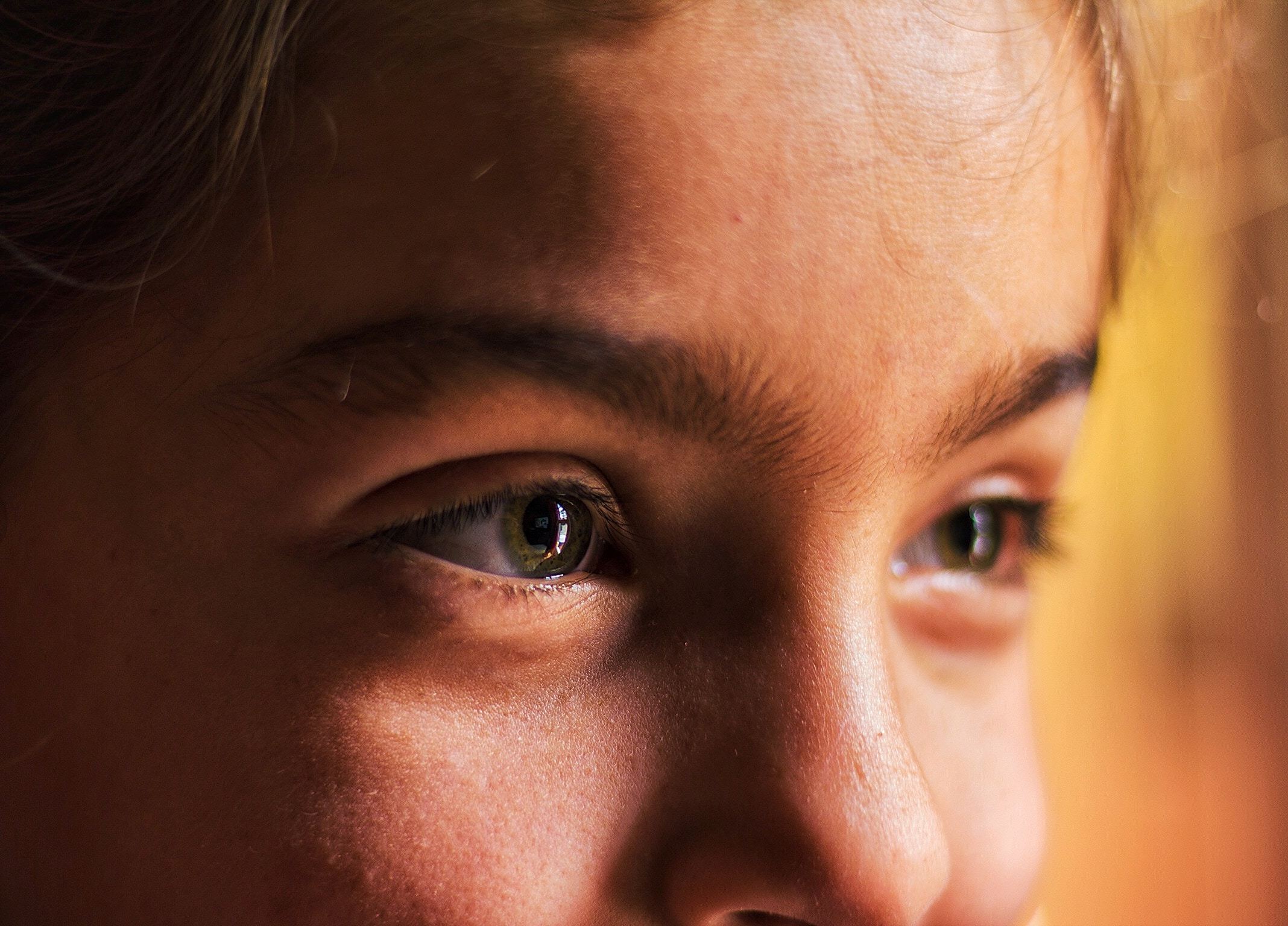
Written by John Engler, TSOS Team Member
There are two kinds of people in the world...the saying goes.
Ketchup pourers and ketchup dippers.
Email hoarders and empty inboxers.
Red Vines eaters and Twizzlers eaters.
Clean deskers and messy deskers.
Toothpaste tube middle-squeezers and end-squeezers.
And on and on.
When I was young, I didn’t even know there were people like Red Vines eaters or toothpaste tube middle-squeezers - not until I met my wife. At first, I thought it was my job to convert her to Twizzlers. But that really didn’t work. So I thought maybe I should be a supportive husband and convert to Red Vines. I tried - I really did, but I just couldn’t do it. Blech.
But here’s the thing. I realized I don’t have to like Red Vines, and she doesn’t have to like Twizzlers. Her squeezing the toothpaste tube from the middle, which used to irritate me, is now endearing. Every time I pick up the middle-squeezed tube, I know that she’s been there, and I like the way our lives intertwine like that, the way our differences and our unique traits make us more interesting people. How miserable if we were all the same.
Hold up, you say. I thought this was a blog about refugees.
It is. And my point is this: in the stories I read about refugees, I love seeing their humanity.
Yes, stories about refugees are often sad, even heartbreaking. Yes, I can hardly bear to imagine the actual day-to-day lives of the tens of millions of people displaced from their homes. No, I wouldn’t wish this fate on my worst enemies.
But it heartens me when I read these stories and see people who, in the face of such catastrophic calamity, the likes of which I hope most of us never experience - I am heartened when I see how they have held onto their humanity, the traits which mark them as unique, the quirks and talents and attributes which make them human. It makes me want to meet them, to break bread with them, to embrace them as sisters and brothers of the human race.
The Afghan police officer turned activist radio announcer. The woman deaf and mute from birth. Children playing games in an abandoned factory-turned-refugee-camp. The interpreter and the kindergarten teacher who risked a sea crossing with their infant daughter. The thirteen-year-old girl who wants desperately to go back to school.
I take no joy in their trials, but I hope it’s not bad manners to celebrate the distinctive people they are. Whatever challenges we face in helping good people find homes and rebuild their lives - and there are many challenges, including resisting our own despair at the tragedy and injustice of it all - I hope that I never lose sight of the incandescence of humanity in every single person.
Maybe there’s really only one kind of person in the world. A person.
And that is everything.
Photo by Luca Campioni on Unsplash
Helping ITPs Succeed: Insights from Leading Support Programs
Partner Profile: No One Left Behind
Their Story is Our Story and No One Left Behind (NOLB) joined forces in 2025 to launch the StoryShield program.
We spoke with Matthew Marcellus, Director of Communications with NOLB, and asked what the partnership with TSOS has meant for his organization and their Afghan clients.
Context with Layma
Social media presents us with an endless scroll of headlines and ‘hot takes’. What’s often missing is context. What is the history that led up to an event? Whose interests are served by a certain policy? What effects is that policy having on people’s lives? Layma Murtaza produces and hosts the video series “Context with Layma”, featured on Their Story is Our Story’s social media channels. We spoke to her about the context of her own life, as an Afghan-American and a professional in humanitarian aid, that led her to use storytelling to illuminate the personal and political context behind the headlines.