Our Focus on the One
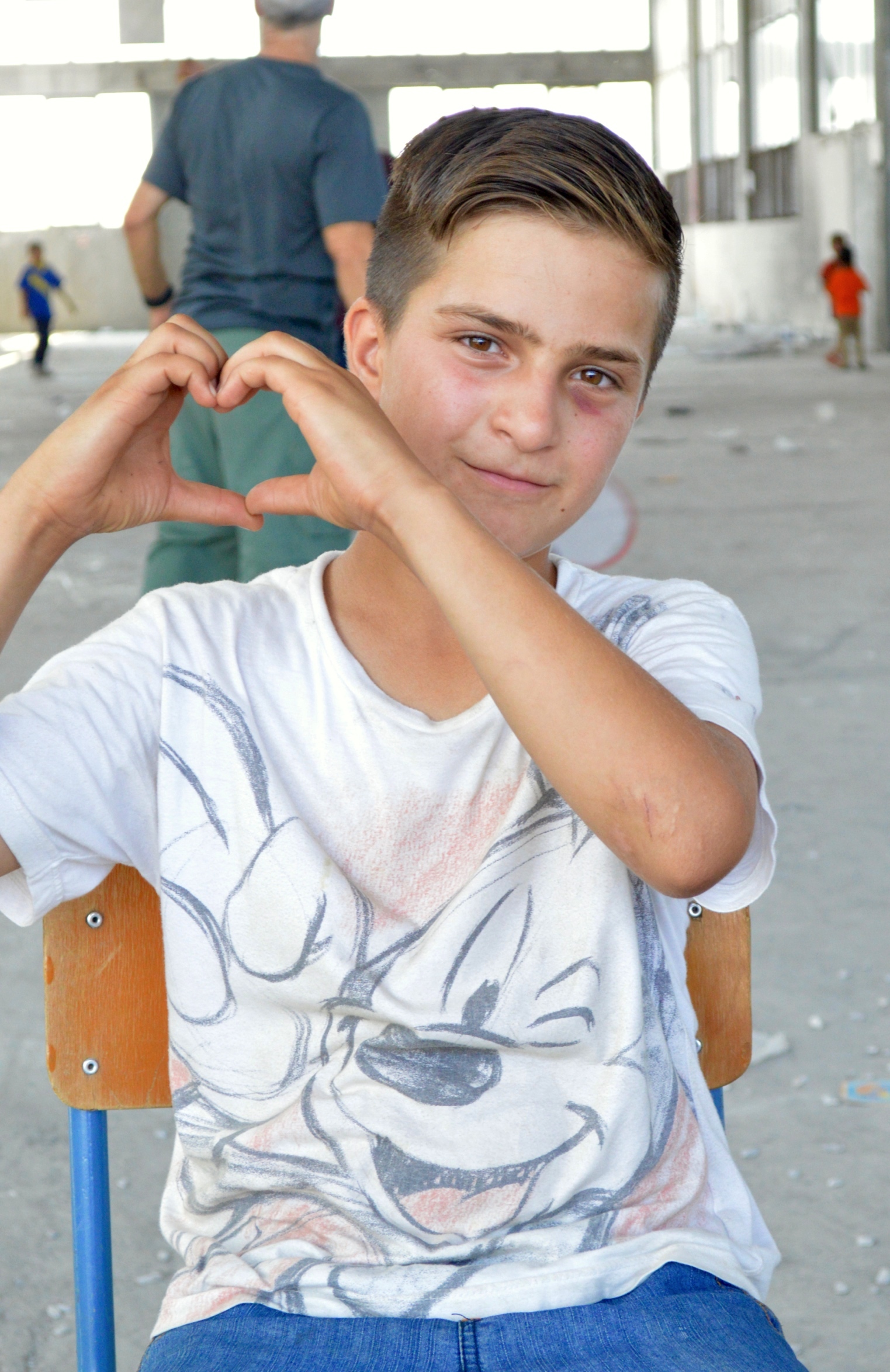
Brian Resnick: “Is this what you call psychic numbing? The larger number of people, the more apathy.”
Paul Slovic: “Yes. And the opposite side of that is something we call the singularity effect, which is an individual life is very valued. We all go to great lengths to protect a single individual or to rescue someone in distress, but then as the numbers increase, we don’t respond proportionally to that.”
Brian Resnick: “It means that there is no constant value for a human life, that the value of a single life diminishes against the backdrop of a larger tragedy.“
Read the rest of the article here:
A psychologist explains the limits of human compassion
We likely all have moments of questioning if our efforts have any impact. So much suffering! What good will my efforts do? They are just a drop in the ocean!
“In the past two years we have recorded hundreds of tragic refugee stories. Hundreds among millions. Have we made a difference? Are our efforts worthwhile? Our camera has one lens, our clipboard one pen, and as we sit knee to knee and look into that one person’s eyes and focus for that moment in time on that one story there is no question that for him or her our efforts mean everything.” - Trisha Leimer
Helping ITPs Succeed: Insights from Leading Support Programs
Partner Profile: No One Left Behind
Their Story is Our Story and No One Left Behind (NOLB) joined forces in 2025 to launch the StoryShield program.
We spoke with Matthew Marcellus, Director of Communications with NOLB, and asked what the partnership with TSOS has meant for his organization and their Afghan clients.
Context with Layma
Social media presents us with an endless scroll of headlines and ‘hot takes’. What’s often missing is context. What is the history that led up to an event? Whose interests are served by a certain policy? What effects is that policy having on people’s lives? Layma Murtaza produces and hosts the video series “Context with Layma”, featured on Their Story is Our Story’s social media channels. We spoke to her about the context of her own life, as an Afghan-American and a professional in humanitarian aid, that led her to use storytelling to illuminate the personal and political context behind the headlines.